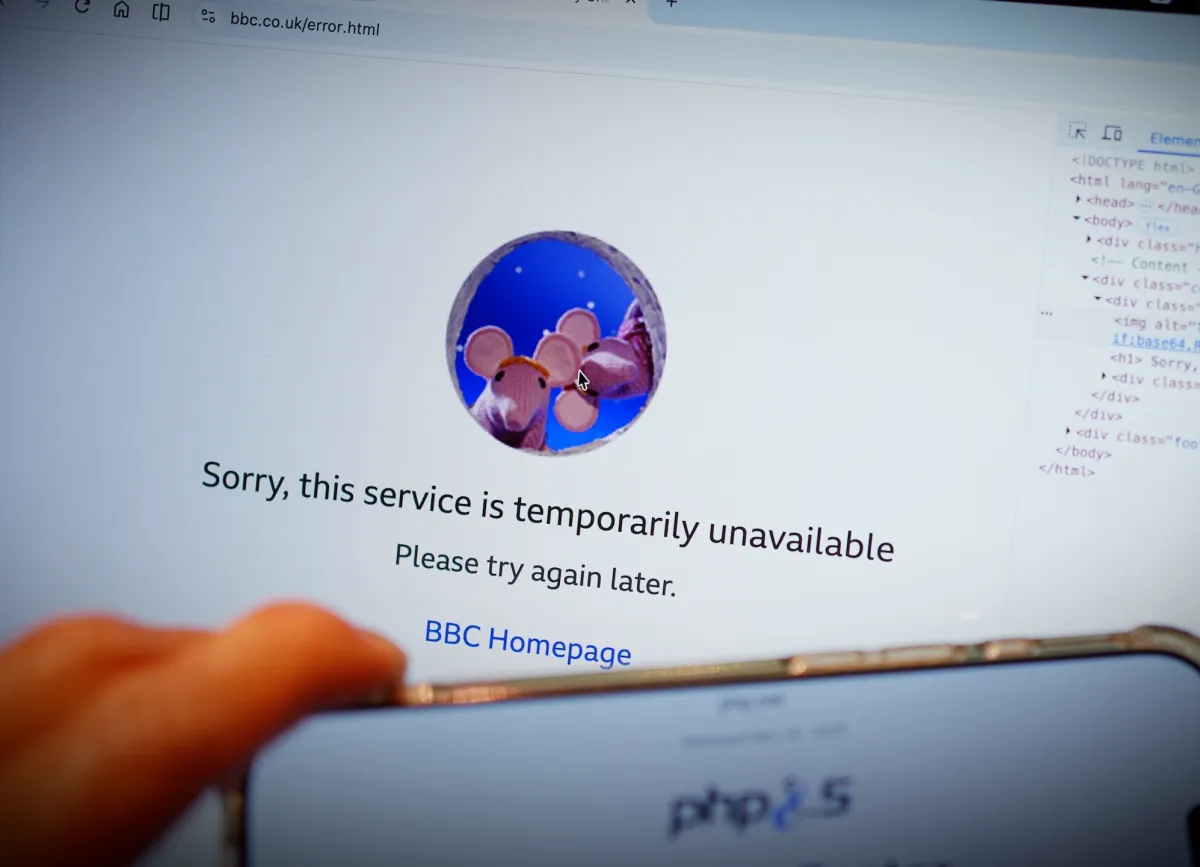
US government says hackers are now exploiting critical PHP web bugs
The U.S. government cyber agency warns that hackers have figured out a way to exploit the popular PHP software, used in 70% of the web's software.
以下正文同步自 TechCrunch,版权归原站所有,已转换为易读排版。
U.S. cybersecurity agency CISA has confirmed that hackers are now actively exploiting a pair of critical security vulnerabilities in the widely used PHP web software and has ordered civilian federal agencies within the U.S. government to fix their systems within the next three days.
The urgent new warning to patch comes less than a week after the makers of the decades-old PHP web programming language rolled out patches for the two bugs, which allow hackers to remotely break into a vulnerable system over the internet without the need for passwords. The PHP software is reportedly used by some 70% of web-facing servers, putting major websites and applications at risk. The severity of the bugs prompted some governments and big companies to take their sites offline to fix them.
While the bugs are rated critical, meaning they can be highly damaging if exploited, security researchers said that developing a working exploit to hack into vulnerable systems was initially challenging — but not impossible. Confirmed in-the-wild exploitation now puts extra pressure on organizations to patch their systems to prevent malicious compromises, disruption, and data breaches.
CISA did not provide details about who was exploiting the bugs in its Monday statement, but its statement comes soon after security researchers said they found evidence that the PHP bugs were being exploited.
The bugs, known as PHP2Shell, exploit vulnerabilities in the software that went undiscovered for years. The bugs were initially uncovered two years ago but the nonprofit foundation that maintains the software said there was no practical way for hackers to exploit them, leaving the bugs unpatched. That was until earlier this year, when researchers at security research firm Calif uncovered a way to exploit the two dormant vulnerabilities with the assistance of an AI model.
The two bugs in PHP are among countless vulnerabilities that have not yet been discovered or have been deprioritized for years but now pose a risk due to advances in AI models’ ability to find and exploit vulnerabilities, including by chaining multiple flaws together.
PHP is one of many aging web technologies that help keep the internet and modern technologies running, but that have been under-resourced and under-funded for years, making it difficult for open-source projects like PHP to pay for security reviews that might have uncovered flaws sooner.
When you purchase through links in our articles, we may earn a small commission. This doesn’t affect our editorial independence.
Zack Whittaker
Security Editor
He can be reached via encrypted message at zackwhittaker.1337 on Signal. You can also contact him by email, or to verify outreach, at [email protected].
November 4
Boston
Buy One Pass, Get a Second Free
Cover more ground at TechCrunch’s ultimate founder bootcamp of the year by bringing your co-founder or partner for free
Book before the BOGO deal expires
Grok releases the first seven minutes of its AI-generated ‘Odyssey’
Anthony Ha
The AI graveyard: a running list of projects and startups that didn’t make it
Lauren Forristal
Warhound raises $200M to engineer war dogs and arm them with Anduril gear
Dominic-Madori Davis
Uber puts all 30,000 employees on ChatGPT Work
Lucas Ropek
Airbnb limits chores for guests, sparking backlash from hosts
Lauren Forristal
Tesla starts Optimus robot production in California as profit falls 43%
Kirsten Korosec
Sean O'Kane
The internet is having a very bad cybersecurity day
Sarah Perez
正文由 探How 从来源站点 RSS 同步,内容未经改写;遇到排版缺失或需要图片、视频时请以原文为准。