Your headphones have hidden LE Audio features you’ll want to know about
Your JBL, Sony, or Bose Bluetooth headphones got a top-to-bottom wireless makeover — not just Auracast.
以下正文同步自 ZDNet AI,版权归原站所有,已转换为易读排版。
Your JBL, Sony, or Bose Bluetooth headphones got a top-to-bottom wireless makeover -- not just Auracast.
Read full bio
October 29, 2026, 1:45 pm ET
The shift from Classic Bluetooth to LE Audio is in full swing, as JBL and Sony release flagship headphones and earbuds with built-in LE Audio. Bose is the latest to upgrade its flagship headphones via an OTA firmware update.
Also: Apple has a Bluetooth problem, and Android is taking advantage
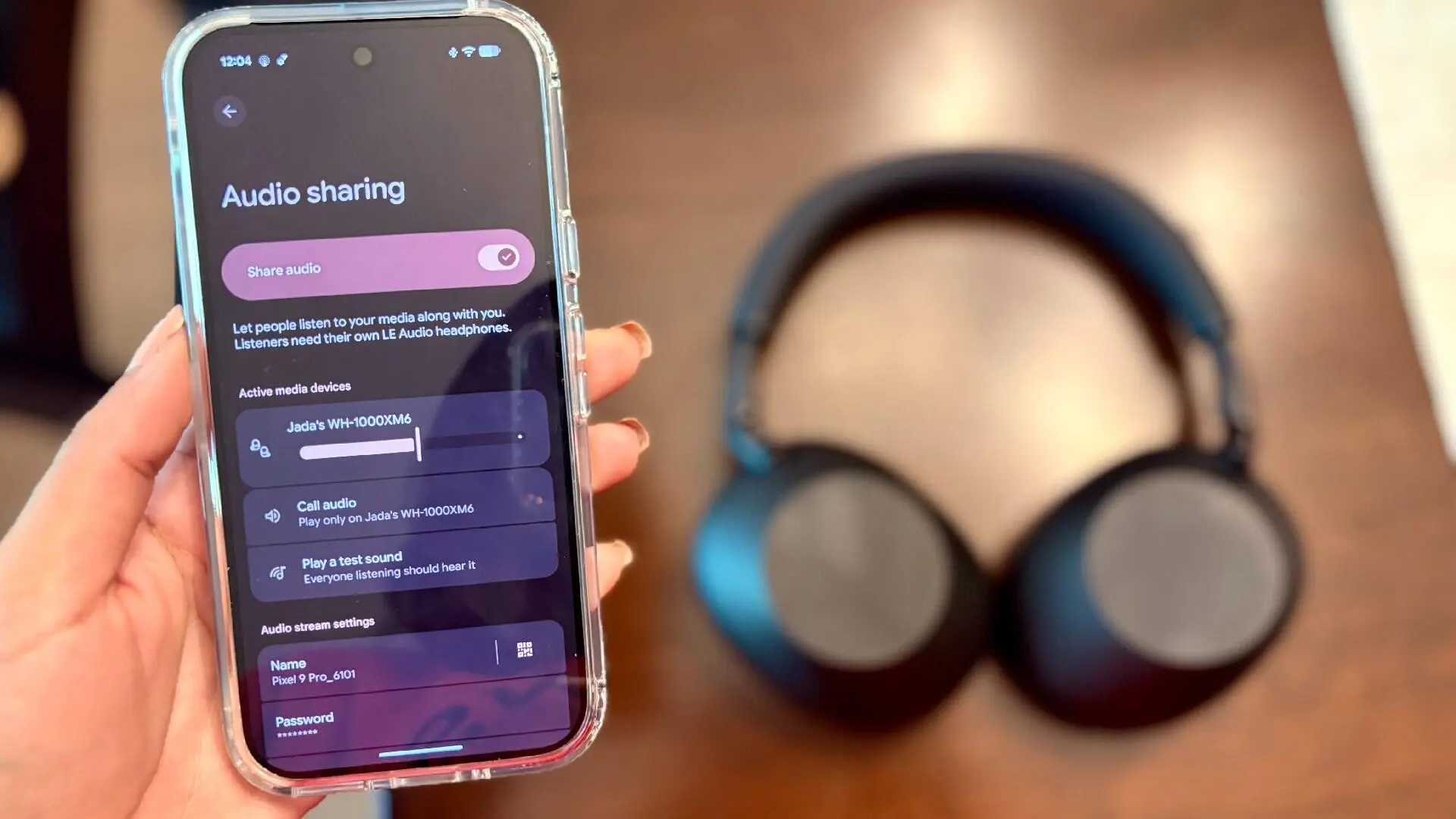
Auracast, the Bluetooth protocol that enables one-to-many audio streams and is the most popular LE Audio feature, but several other LE Audio upgrades don’t get as much attention. These features improve wireless voice call quality, reduce battery drain in true wireless earbuds, and remove ecosystem barriers to low-latency mobile gaming. Here’s why they matter just as much as Auracast.
LE Audio includes the Low Complexity Communication Codec (LC3), which includes the unified Telephony and Media Audio Profile (TMAP) to handle audio streams and voice calls simultaneously. Bluetooth Classic relies on the Advanced Audio Distribution Profile (A2DP) and Hands-Free Profile (HFP), which handle the same functions but require both profiles.
Also: Bluetooth’s latest could solve a common connectivity problem
The profiles in Bluetooth Classic, given that they must alternate, result in extremely poor voice quality during hands-free calls over cellular or video calls on Zoom or Teams. These profiles also account for degraded voice quality when chatting while playing a mobile game.
LE Audio consolidates these two profiles, creating higher-quality, bidirectional audio and preserving voice call quality when using wireless headphones.
Earlier this year, JBL gave its flagship Tour Pro 3 earbuds an OTA firmware update to support LE Audio, and Sony’s WF-1000XM6 earbuds, released in February, have LE Audio support out of the box. There’s one major true wireless earbud improvement wrapped in LE Audio: native multi-stream audio.
Also: Frustrated with multipoint? How it works – and why it sometimes won’t
In Bluetooth Classic, your source device, such as your phone, sends audio to one earbud, which then retransmits it to the other earbud. This complex audio transmission method is why one of your earbuds always has a lower battery than the other. Though premium earbuds usually have an independent stream workaround, many midrange and budget earbuds don’t, and that’s where LE Audio comes in handy.
LE Audio enables independent audio streams built into the Bluetooth stack, so manufacturers don’t need to implement their own methods to avoid asymmetrical battery drain.
Software ecosystems, like Apple’s iOS and Samsung’s Galaxy, dictate which audio features are reserved for devices inside of them and withhold features from devices outside of them. Hardware ecosystems are equally responsible for the fragmentation of audio features across manufacturers, typically through codecs.
Sony’s LDAC codec for high-quality audio is only available on Sony headphones, earbuds, and smartphones with the proper hardware, which is limited in the US market. Snapdragon’s AptX codecs aren’t as widely available on phones either, leaving most people to rely on Bluetooth Classic SBC and AAC codes, even though their headphones support more advanced ones.
Also: Your iPhone may support Bluetooth Channel Sounding – and it’s a big deal
LE Audio eliminates the tedious codec issue, especially in wireless gaming contexts, delivering lower latency, improved voice audio streams, and eliminating asymmetrical audio transmission.
For now, as long as you have a compatible Android phone, you have access to several models of headphones, earbuds, and Bluetooth speakers that support LE Audio. As more manufacturers update their devices to support the Bluetooth audio streaming protocol, this suggests the technology is becoming more reliable.
So, what about your AirPods? I wouldn’t bet on it anytime soon.
Log In to Comment
Log Out
Community Guidelines
Please accept cookies to view the comments powered by Disqus.
正文由 探How 从来源站点 RSS 同步,内容未经改写;遇到排版缺失或需要图片、视频时请以原文为准。