Chemistry Nobel goes to reactions like those that gave life a hand
Altering molecular handedness has implications for the origins of life.
以下正文同步自 Ars Technica,版权归原站所有,已转换为易读排版。
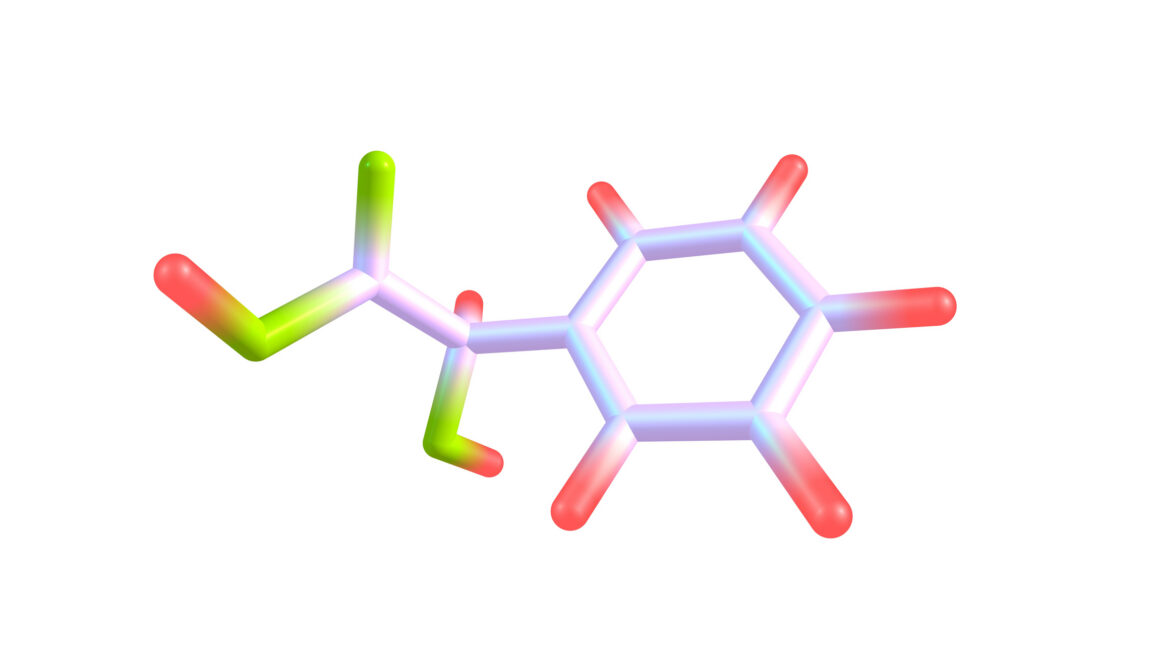
Life is remarkably selective. Life relies on many molecules with what is termed "handedness"—they're chemically identical but are mirror images of each other. Most chemical reactions will make a 50-50 mix of the left- and right-handed forms of a chemical, but life uses only one of them. In fact, because of the differences between left- and right-handed chemicals, most of the key enzymes used by organisms will fail to work if they're presented with chemicals that have the wrong handedness. That poses a bit of a challenge for origin-of-life research, as we're forced to explain how a world that may have started with an even mix of left- and right-handed chemicals produced organisms that only used one of them. Today's Nobel Prize in Chemistry goes to two individuals, Henri Kagan and Kenso Soai, who discovered chemical reactions could be biased, producing large excesses of one of the two forms of a chemical. Read full article Comments
正文由 探How 从来源站点 RSS 同步,内容未经改写;遇到排版缺失或需要图片、视频时请以原文为准。