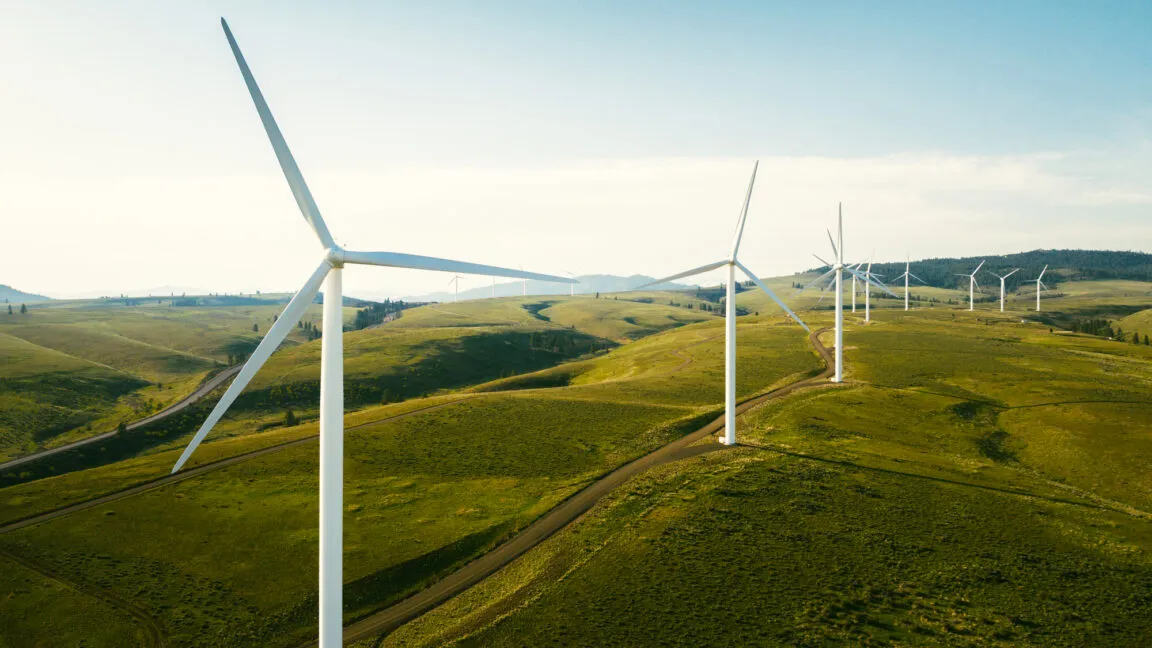
The 2008 economic crisis changed the US's relationship with energy
It wasn't obvious at the time, but the US uncoupled carbon emissions and GDP growth.
以下正文同步自 Ars Technica,版权归原站所有,已转换为易读排版。
One argument that often comes up about climate change is that fossil fuels are good because they powered economic growth that has left most people better off overall. And, to an extent, that has been true, but it's also an extremely limited perspective. It's pretty obvious now that the growth they powered has come with very high costs that we've only recently started to pay, in the form of damages and disruptions from extreme weather events. With things like sea level rise expected to continue for centuries even if we hit net zero, it's difficult to estimate how expensive that growth will eventually be. But that perspective is also limited: We now have better ways to power our growth—ways that are less environmentally damaging now and won't leave our descendants with a carbon debt that will be difficult to manage. Read full article Comments
正文由 探How 从来源站点 RSS 同步,内容未经改写;遇到排版缺失或需要图片、视频时请以原文为准。