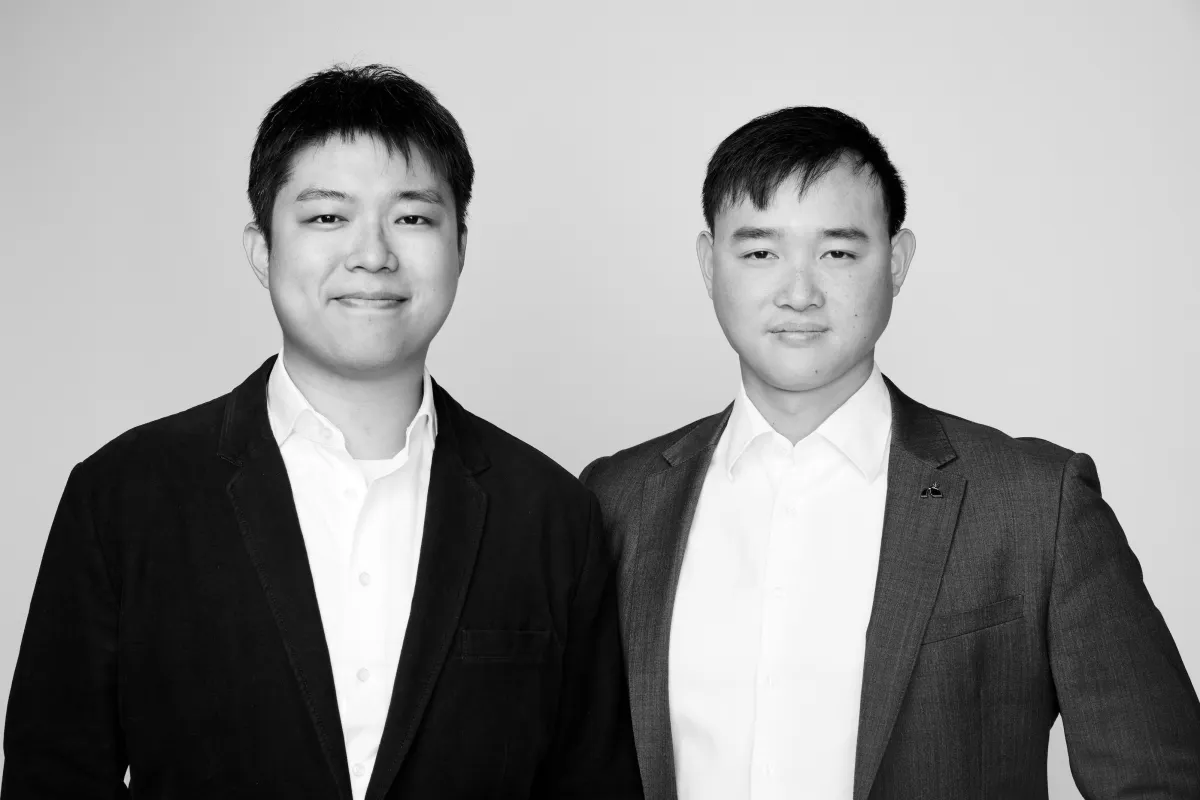
Charter Space raises $5M to bring insurance to the stars
As Charter explains on its website, a common experience for space companies is that regular insurers "heard a bunch of scary science words and freaked out."
以下正文同步自 TechCrunch,版权归原站所有,已转换为易读排版。
Charter Space, a finalist in last year’s TechCrunch Startup Battlefield, has raised a $5 million seed round to keep growing its budding space insurance business.
The El Segundo, California-based startup said Wednesday it’s already servicing over 50 companies across the U.S. space and defense industrial base following the launch of its nationally-licensed insurance brokerage in May.
Insurance-focused Crystal Venture Partners led the round, and fintech investors QED and Blank Ventures, early-stage venture firm Hustle Fund, and Gaingels, an investment syndicate that backs startups with underrepresented leadership, also participated.
Things go wrong in the space industry all the time, so companies are constantly planning contingencies. But insuring objects that go to space is still a rare practice. Charter Space’s founder and CEO, Yuk Chi Chan (above, right), believes this is largely because of the high cost of underwriting something like a satellite. As Charter explains on its website, a common experience for space companies is that regular insurers “heard a bunch of scary science words and freaked out.”
When Chan started Charter Space with co-founder Yukun Yin, they set out to build a centralized software for aerospace engineering that would bring together the technical, manufacturing, and test data for customers. But he realized there was a lot of potential value in plugging that data into the underwriting process.
“We want more satellites to get insured, because that means that everything as a whole is much, much safer. If we can proliferate insurance coverage, one, that’s good for the space industrial base, a lot more companies have a safety net… But it’s also a lot healthier for the overall economy, because then that encourages global investment from different alternative capital sources,” Chan told TechCrunch last year. “You’re not solely reliant on VC or some growth equity. You can start bringing in debt, credit, lots of different options that you have in any other sort of advanced industry.”
Space companies don’t have many options for financial services because the space used to have very few players. The industry was until recently dominated by governments and defense contractors who, after the Cold War, tended to move slowly and conservatively.
But the boom of new space companies over the last decade, spurred in large part by SpaceX’s Falcon 9 rocket lowering the cost of launching things into orbit, means there’s now enough demand for companies like Charter Space to build and grow. There are new players making satellites and spaceships, and new launch providers competing to fill the void that SpaceX is about to leave when it retires the Falcon 9.
“Charter Space sits at the intersection of two enormous opportunities: the rapid growth of the commercial space economy and the need for a modern approach to understanding and insuring the increasingly complex risks that accompany that growth,” Jonathan Crystal, managing partner of Crystal Venture Partners, said in a statement. “Insurance is critical infrastructure for a strong and sustainable space industry, and we believe Charter Space is building the platform that will help the space economy scale safely and sustainably.”
Michael Yaworsky, the commissioner of insurance regulation in Florida, still the leading launch location in the country, said insurance is “the precondition for growth in space” and said it opens the door for more local investment. “The state that leads on insurance will be the destination for capital investing in the industries of the future, and lay the foundation for continued American greatness for the next 250 years and beyond,” he said in a statement to TechCrunch.
Charter Space has raised $8 million to date, and said it will use the proceeds of the seed round to grow its sales organization and its insurance offerings. Other products on the table include coverage for “novel mission concepts,” like space-based nuclear power, lunar missions, and in-space servicing of other spacecraft.
When you purchase through links in our articles, we may earn a small commission. This doesn’t affect our editorial independence.
Sean O'Kane
Sr. Reporter, Transportation
Sean O’Kane is a reporter who has spent a decade covering the rapidly-evolving business and technology of the transportation industry, including Tesla and the many startups chasing Elon Musk. Most recently, he was a reporter at Bloomberg News where he helped break stories about some of the most notorious EV SPAC flops. He previously worked at The Verge, where he also covered consumer technology, hosted many short- and long-form videos, performed product and editorial photography, and once nearly passed out in a Red Bull Air Race plane.
You can contact or verify outreach from Sean by emailing sean.okane@techcrunch.com or via encrypted message at okane.01 on Signal.
October 13 – 15
San Francisco
Get 50% off a second pass
The Disrupt experience is meant to be shared. Get your pass and bring a colleague, partner, or peer at 50% off. Cover more ground by making connections, building momentum, and discovering what’s next in the startup ecosystem.
AMD will acquire Fei-Fei Li’s World Labs for $8.2B
Tim Fernholz
Crusoe abandons $1.25B plan to use Boom turbines at AI data centers
Kirsten Korosec
Astra and Opus just passed Turing’s other test
Tim Fernholz
Oracle sends force majeure notice on its New Mexico Stargate data center
Aditya Mehta
Meta made a Tamagotchi-like wearable for its Muse AI agent
Lucas Ropek
Vogue sent robots down the runway at Vogue World, and people were not impressed
Dominic-Madori Davis
Anthropic says its biology lab has already found something big
Julie Bort
正文由 探How 从来源站点 RSS 同步,内容未经改写;遇到排版缺失或需要图片、视频时请以原文为准。