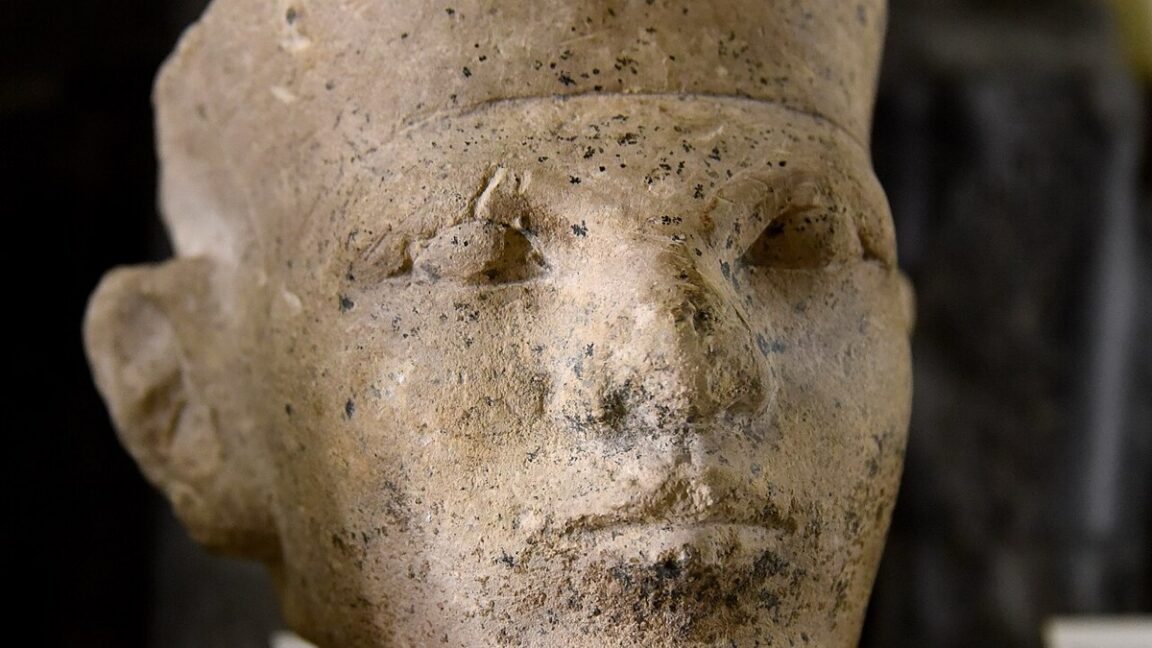
New forensic evidence supports Egyptian "retainer sacrifice"
Fresh analysis of First Dynasty mass burials finds signs of fatal blunt force trauma on 39 percent of skulls.
以下正文同步自 Ars Technica,版权归原站所有,已转换为易读排版。
Egyptologists have long debated whether the earliest pharoahs of the First Dynasty were buried with various servants and officials to serve them in the afterlife—a form of human sacrifice. But there is very little archaeological evidence available, given that many of the earliest Egyptian tombs were plundered and/or hastily excavated. A new paper published in the journal Frontiers in Environmental Archaeology reassesses a collection of skulls excavated from tombs in the 1920s and concludes that over one-third show evidence of blunt force trauma. This suggests that they may have been victims of so-called "retainer sacrifice." Author Roselyn Campbell is a bioarchaeologist at Purdue University who has long been fascinated with the history of human sacrifice. "I'm interested in how we as human beings decide which types of violence are okay and which are not, and how we even define violence," Campbell told Ars. "It's very context specific. We have to be careful not to extend our own ideas about what violence is and how it's used into other cultures. With Egypt, we have such a long history of European and colonial archeology; they came in with very specific ideas about what this culture was. You really have to make an effort to contextualize the legacy data we have." Naturally she found the debate over whether ancient Egyptians practiced retainer sacrifice pertinent to her interests. "People tend to fall into one of two camps," said Campbell. "Either retainer sacrifice definitely happened, end of discussion, or it definitely didn't happen, end of discussion. But nobody's actually looked at the bones in a very long time." Forensic science has advanced considerably over the last century, so re-analysis could be useful. Complicating matters is the fact that older sets of remains are often incomplete and/or modified for preservation, destroying vital forensic information in the process. Read full article Comments
正文由 探How 从来源站点 RSS 同步,内容未经改写;遇到排版缺失或需要图片、视频时请以原文为准。