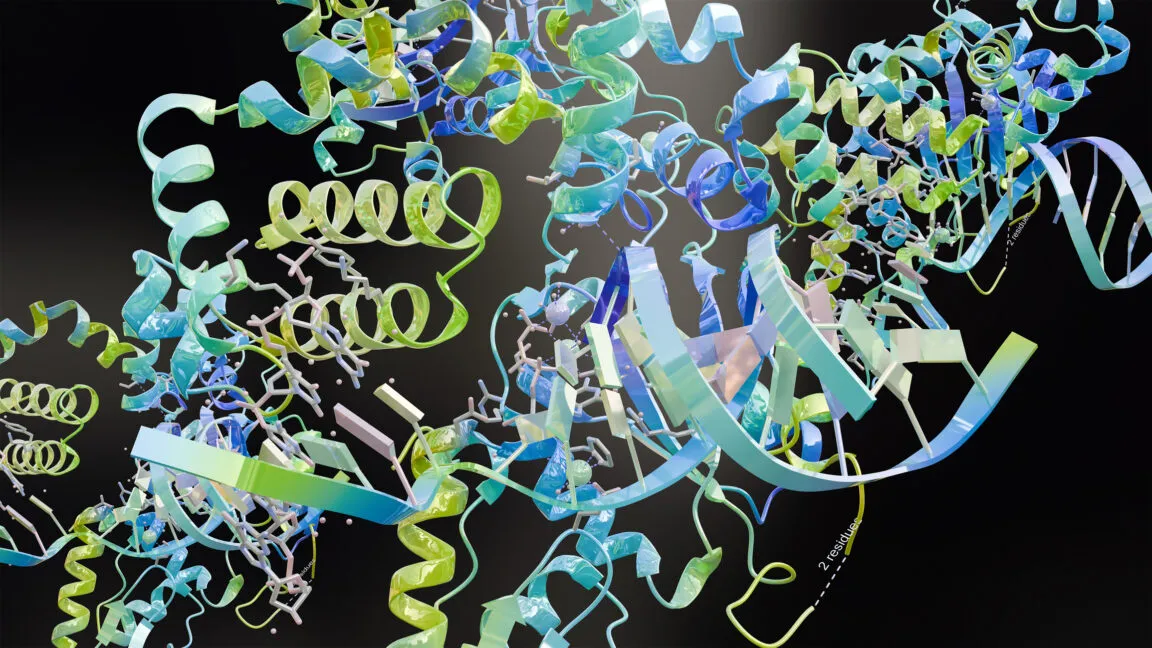
Google figures out how to watermark AI-designed proteins
Intended to help with biosecurity, it works with a popular AI protein design tool.
以下正文同步自 Ars Technica,版权归原站所有,已转换为易读排版。
AI-based tools seem to be causing security threats on a nearly daily basis, in part because we've been slow to recognize potential threats. One area where we seem to be ahead of the game, however, is in biosecurity. As with most things biological, utility goes hand in hand with threats. We've developed increasingly sophisticated tools for designing proteins and seen some major successes, such as AI-designed enzymes that can digest plastics or block venom proteins. But these same tools could be used to make toxins or alter the behavior of viral proteins. And the software we use to identify DNA sequences that encode potentially threatening proteins doesn't pick out AI-designed proteins, since nobody has characterized them well enough to know that they're threats. Nearly a year after that risk was flagged, it still wasn't clear what anyone could do about it. Read full article Comments
正文由 探How 从来源站点 RSS 同步,内容未经改写;遇到排版缺失或需要图片、视频时请以原文为准。