UK to charge universities $1,200 per international student
However, the government reaffirmed its plans on October 19, 2026, when Education Minister Josh MacAlister told Parliament that the revenue would support England's higher education and skills system.
以下正文同步自 Hacker News 最新,版权归原站所有,已转换为易读排版。
However, the government reaffirmed its plans on October 19, 2026, when Education Minister Josh MacAlister told Parliament that the revenue would support England's higher education and skills system.
Responding to a parliamentary question about the policy's economic justification, MacAlister said the government had already conducted consultations and published an impact assessment in 2025, with an updated analysis expected shortly.
He also maintained that planned increases in domestic tuition fee caps could generate around £6 billion for higher education providers over five years, compared with the levy's projected cost to universities of less than £1 billion over the same period.
Under the proposal, universities in England will pay £925 annually for each international student, with the first 220 overseas enrolments exempt from the charge.
The levy will cover both new and existing students, with a university enrolling 1,000 international students facing an annual charge of £721,500 after the 220-student exemption.
The Office for Students will oversee its implementation using enrolment data, while the government intends to adjust the rate annually in line with inflation.
Official projections indicate that the levy will generate £445 million ($594 million) in 2028–2029, rising to £465 million ($621 million) in 2029–2030 and £480 million ($641 million) in 2030–2031.
The policy will affect universities recruiting from China, India, Nigeria, Pakistan and Bangladesh, alongside African markets such as Ghana, Kenya, Zimbabwe and South Africa.
Home Office figures show that China received 86,368 sponsored study visas in the year ending June 2026, followed by India with 82,523 and Nigeria with 26,060.
Pakistan recorded 19,600 adult student visas, while Bangladesh received about 8,800 over the same period.
According to the Department for Education, students from India generated £5.3 billion in UK higher education export revenue in 2024, compared with £4.9 billion from China and £1.7 billion from Nigeria.
Overall, international higher education students generated an estimated £23.9 billion in export revenue for Britain that year.
Although students will not pay the levy directly, universities could pass on additional costs through higher international tuition fees, adding to the financial requirements already facing overseas applicants.
Birmingham City University has already raised fees for continuing international students by 2% for the 2026–2027 academic year, with a further 3.5% increase planned for 2027–2028.
Meanwhile, the University of Bath has advised overseas students who began their courses in 2026 to budget for annual tuition fee increases of up to 8%.
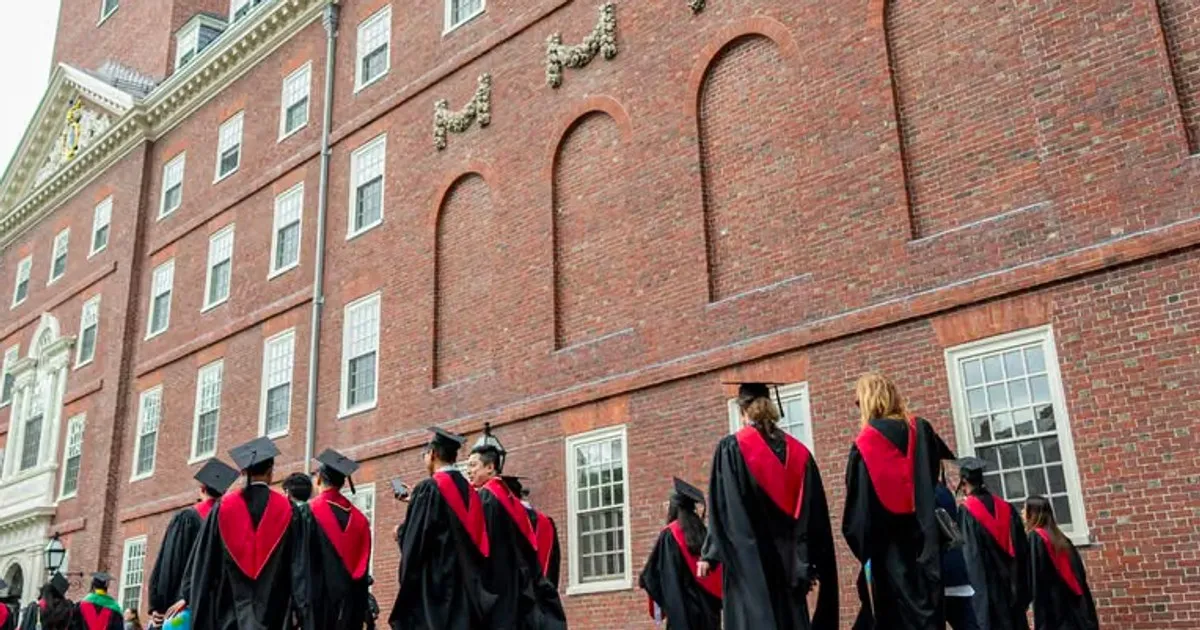
International students at a UK university. British universities face a proposed £925 annual levy on international enrolments from August 2028. Source: Study Abroad Foundation — University of Manchester.
BI Africa
Universities question financial impact
The measure comes as British universities face tighter immigration rules and declining international recruitment, raising concerns about their financial sustainability.
Business Insider Africa previously reported that some British universities had withdrawn admission offers to Nigerian, Pakistani and Bangladeshi applicants over concerns about breaching stricter visa sponsorship requirements.
The financial strain has also affected the University of Sunderland, which is seeking to cut £40 million ($53 million) from its annual operating costs amid weaker international recruitment.
Vivienne Stern, chief executive of Universities UK, questioned the government's revenue forecasts in comments reported by The i Paper.
“It is a daft policy, and that is evident from the way that international recruitment trends have been unfolding this autumn,” she said.
“The Government’s projections about the income it will raise are already unrealistic.”
正文由 探How 从来源站点 RSS 同步,内容未经改写;遇到排版缺失或需要图片、视频时请以原文为准。