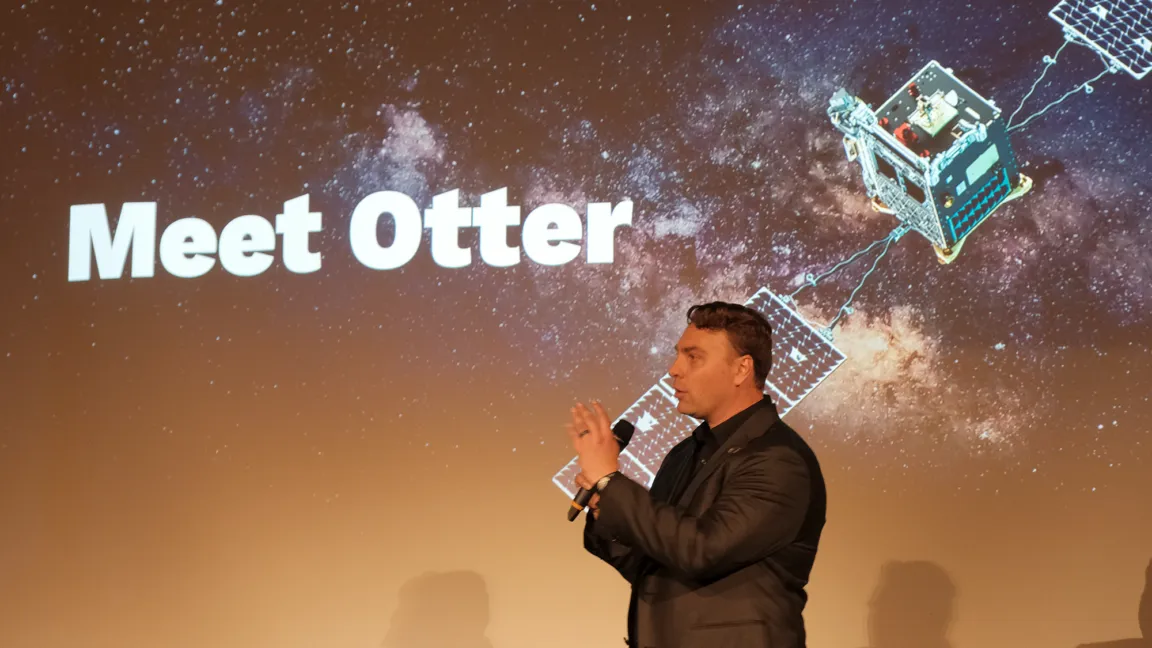
After seven years, a spacecraft company is releasing its Otters into the wild
"There is always a tension that comes with seeing the first of anything fly."
以下正文同步自 Ars Technica,版权归原站所有,已转换为易读排版。
Imagine starting a space company in October 2019 with the aim of changing the world. Then, a few months later, a global pandemic shuts the world down. "Little did we know what the world had in store for us," said Trevor Bennett, an engineer who co-founded Starfish Space after a few years at Blue Origin. "But that's kind of become part of our story, showing some resilience along the way." At Blue Origin, he saw, up close, the ambitions of billionaires to build big rockets and put massive numbers of satellites into orbit. Bennett and his co-founder, another engineer from Blue Origin named Austin Link, began to think about the implications. How would humanity deal with that increased volume of satellites in orbit? Could low-Earth orbit be preserved? Read full article Comments
正文由 探How 从来源站点 RSS 同步,内容未经改写;遇到排版缺失或需要图片、视频时请以原文为准。