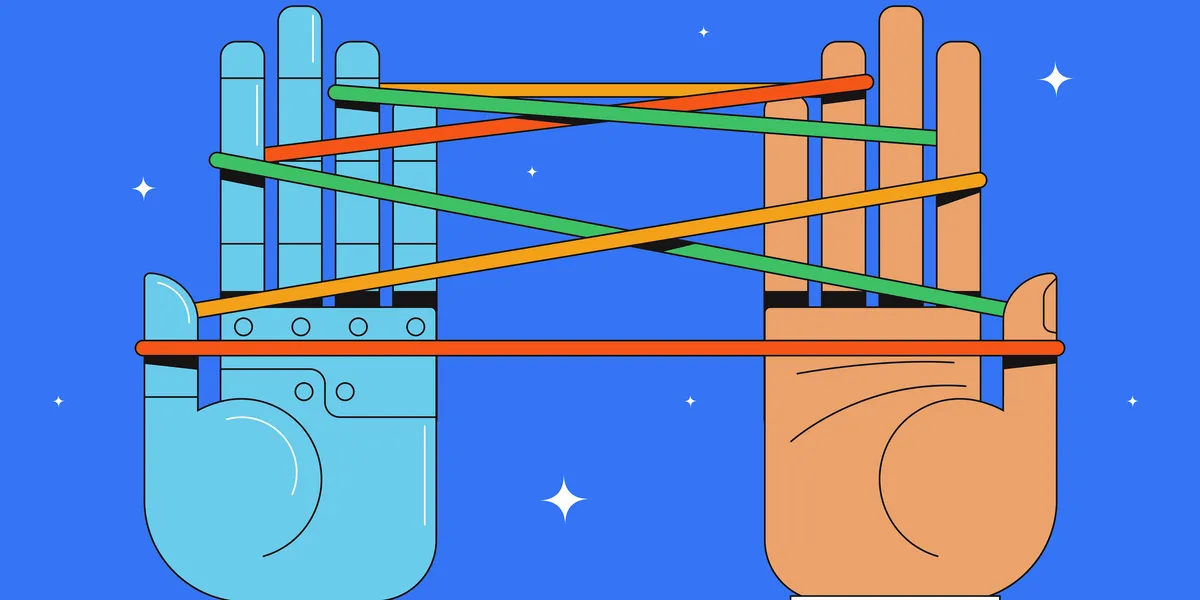
Systems Thinking Is Vital in the Age of AI
Engineers do not need to master every field; they need to recognize which expertise the problem requires and bring the right people and tools together.
以下正文同步自 Hacker News 最新,版权归原站所有,已转换为易读排版。
Engineers do not need to master every field; they need to recognize which expertise the problem requires and bring the right people and tools together.
Systems thinking thus becomes especially important. It requires looking at the whole problem: understanding how its parts affect one another, identifying constraints and failure points, and making trade-offs.
AI adds a new element to the process. Engineers must decide not only how the technical parts fit together but also what work to give to AI, what a person must check, when a specialist should make a decision, and when the problem needs to be redefined.
An engineer’s value is not in knowing everything. It is in knowing how to frame the problem, how to ask the right questions, how to test the answers, and when another expert must lead the project.
This aspect is crucial because technical challenges in engineering are seldom static. As new insights emerge, objectives might shift, unseen limitations can surface, and the initial premise might prove flawed. Rather than rigidly following the starting specifications, an effective engineer adapts and refines the scope as a deeper understanding of the system develops.
Thus, engineering extends beyond mastering technical concepts; it is an adaptable, structured approach to navigating evolving challenges.
New evidence can change the goal, reveal a hidden constraint, or show that the original hypothesis was wrong. Effective engineers go beyond merely acting on the initial problem statement. They update it as the system becomes better understood.
In that sense, engineering is not only a body of technical knowledge, it is also a disciplined way of thinking about a project.
AI can produce convincing answers even when its assumptions are weak. It can generate code that works in one test but fails in another. It can summarize research without understanding which evidence is strongest, or optimize a design for the wrong goal. Such limits make human expertise more important, not less.
Machines are useful where speed, scale, search, pattern recognition, and data generation matter. People are essential where context, values, responsibility, and judgment matter. The challenge is to decide where each belongs.
An AI system might generate several designs for a medical sensor, for example, and predict how each will perform. An engineer can test the predictions and reject designs that violate technical requirements. A clinician can determine whether the sensor can be realistically used. Patients and practitioners might reveal problems that neither the engineer nor the developer considered. The final solution emerges from combining the perspectives.
The engineer is still a builder and specialist but increasingly also a coordinator of knowledge.
正文由 探How 从来源站点 RSS 同步,内容未经改写;遇到排版缺失或需要图片、视频时请以原文为准。