Software development and rules stability: Prototype racing in 2030
With the end of IMSA’s 2026 season, we have thoughts about the future of the sport.
以下正文同步自 Ars Technica,版权归原站所有,已转换为易读排版。
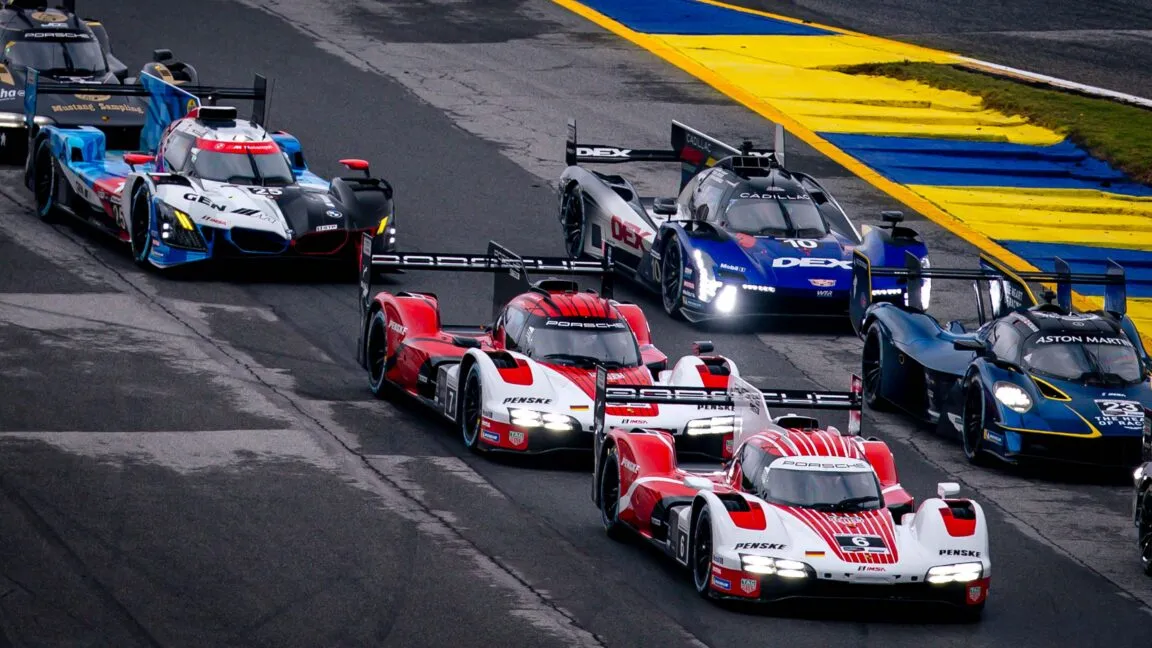
IMSA provided accommodation so Ars could attend the Petit Le Mans. Ars does not accept paid editorial content. The rising tide that has been the Drive to Survive effect has lifted more boats in motorsport than simply Formula 1’s. Sportscar racing is enjoying its own surge in popularity internationally at races like Le Mans in France, but also in North America in IMSA’s WeatherTech Sportscar Championship. For one thing, multi-hour, multi-class racing lends itself better to the age of streaming and second screens than it did linear broadcast TV, and fans are taking advantage of that: IMSA’s audience grew by more than a third domestically and almost a quarter internationally last year. Having some of the coolest-looking cars racing today certainly helps, whether that’s the (mostly) hybrid prototypes or the GTs, racing versions of road-going cars from Porsche, Ferrari, and others. And it definitely helps that fan access at the races is virtually unmatched, with open paddocks and grid walks that now see huge crowds get up close to the cars just before the start of each race. “I think we're just scratching the surface,” said IMSA President John Doonan. “I think besides the people that are here on the ground, the people watching, people engaging with us on social media, I'm seeing the passion come out more. Just on the grid walk, these fans coming up and being so excited to be here.” The series has certainly been making an effort, among other things getting local high school students exposed to the industry and starting a partnership to train more mechanics with ASE. Read full article Comments
正文由 探How 从来源站点 RSS 同步,内容未经改写;遇到排版缺失或需要图片、视频时请以原文为准。