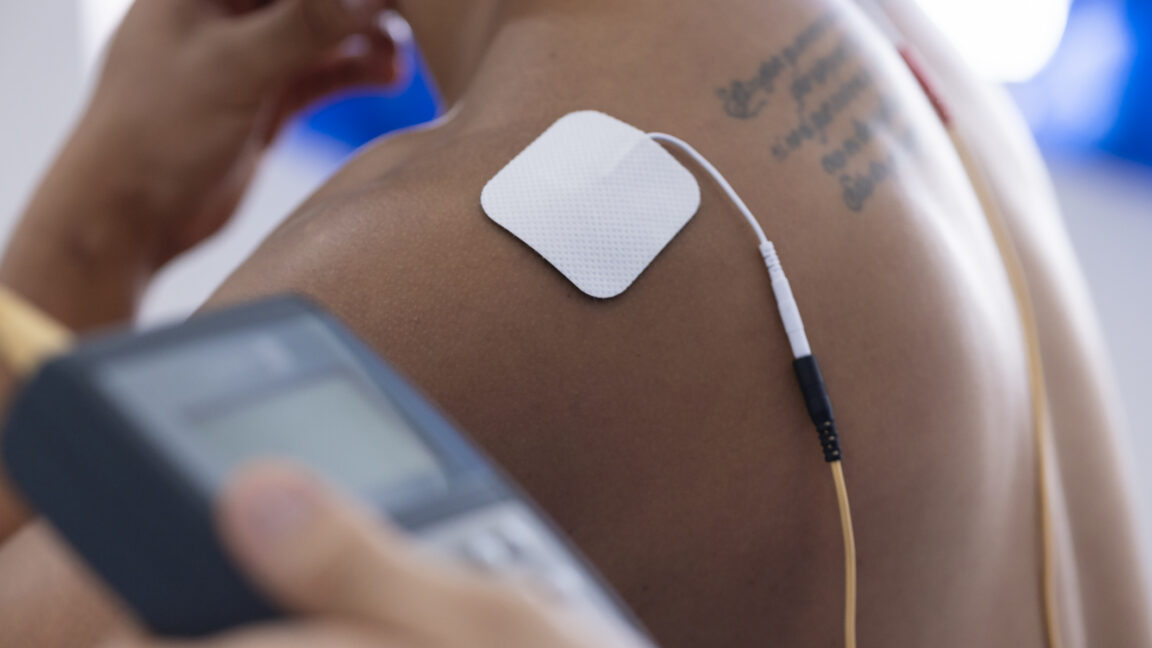
A local network of implants uses your body as the wiring
It's possible to send electrical signals right through human tissues.
以下正文同步自 Ars Technica,版权归原站所有,已转换为易读排版。
Most implants like pacemakers and insulin pumps work in isolation. To help them coordinate with each other, a team of Georgia Tech researchers built a networking system that sends signals through body tissue instead of antennas and radio waves. Radio problems Implants that communicate today mostly rely on radio protocols like Bluetooth Low Energy or near-field communication (NFC). Both are a poor fit for in-body data transfer, says Alex Abramson, a Georgia Tech engineer and co-author of the new study. The first problem is power. “If you want an implant to remain in an active state such that it can respond within milliseconds, it's very difficult to do that with the Bluetooth system,” Abramson said. According to the paper, Bluetooth components, when they’re activated, can cut an implant's battery life by up to 90 percent. Read full article Comments
正文由 探How 从来源站点 RSS 同步,内容未经改写;遇到排版缺失或需要图片、视频时请以原文为准。