Norwegian Company Pitches Undersea Cable Linking Can and EU to Bypass the US
Bulk Infrastructure seeks a Canadian majority partner for the $620M Norway-to-Montreal fiber link, with financing and permits still unresolved
以下正文同步自 Hacker News 最新,版权归原站所有,已转换为易读排版。
Bulk Infrastructure seeks a Canadian majority partner for the $620M Norway-to-Montreal fiber link, with financing and permits still unresolved
Al is a long time tech writer with a penchant for all things nerdy. While he writes for Gadget Review, he manages a team of review writers, ensuring their content is nothing short of perfect.
All Articles by Al Landes
→
Al is a long time tech writer with a penchant for all things nerdy. While he writes for Gadget Review, he manages a team of review writers, ensuring their content is nothing short of perfect.
All Articles by
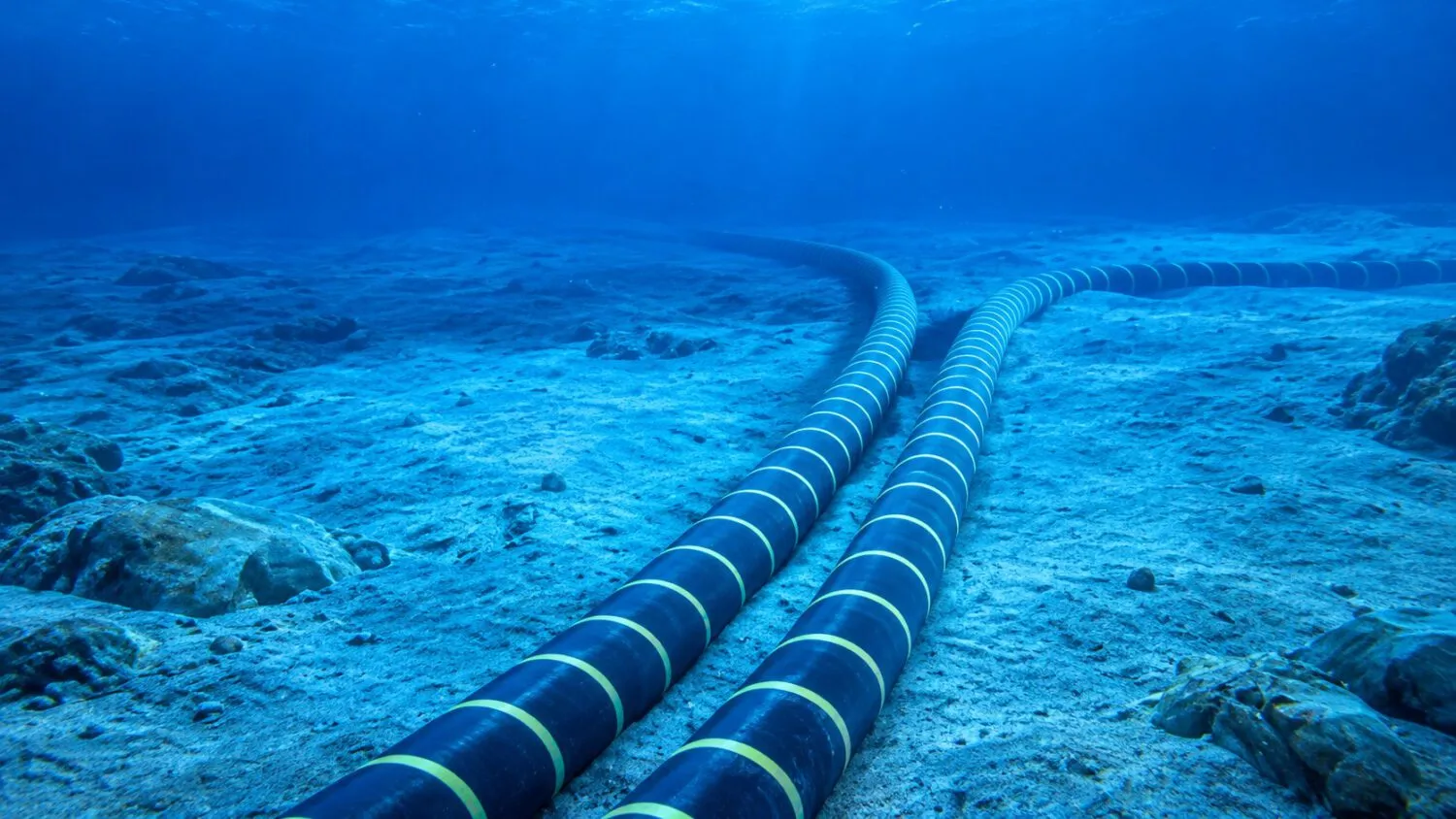
A 4,200km undersea cable promises to deliver vast amounts of clean energy to Singapore. (Image: Sun Cable via Nanyang Technological University)
Key Takeaways
Norwegian infrastructure company Bulk Infrastructure is proposing a direct fiber cable from Norway to Canada, routed around the United States entirely. The project, named Leif Erikson, remains a proposal, not a construction announcement.
Canada currently has relatively few direct international cable options that avoid U.S. routing, a structural gap the project is designed to address. That context, combined with growing government interest in infrastructure resilience, gives the proposal its strategic weight.
The system would span more than 6,500 kilometers of combined subsea and overland infrastructure between Norway and Montreal.
Bulk’s plan calls for roughly 4,600 kilometers of subsea cable running from southern Norway to Happy Valley-Goose Bay in Newfoundland and Labrador. A further terrestrial connection of approximately 1,900 kilometers would continue through Quebec to Montreal.
Feasibility work on the project began in 2021, when Bulk engaged WFN Strategies for technical planning, route hazards, economic modeling, and construction requirements. The 4,600-kilometer subsea figure reflects later reporting; Bulk’s 2021 announcement described approximately 4,200 kilometers, suggesting the estimate has been revised as planning progressed.
BGO, a Sun Life Financial subsidiary, reportedly holds around 65 percent of Bulk through two funds, with Canadian pension funds also invested. That existing stake does not, however, satisfy the project’s specific need: Bulk is actively seeking a Canadian majority partner for the Leif Erikson system itself.
Financing, customers, permits, and route surveys all remain unresolved before construction can begin.
Expected costs exceed $620 million, financing is incomplete, and no customers have been confirmed. No construction date has been established.
Route surveys are unfinished. The Quebec overland section will require environmental approvals, land access agreements, and Indigenous community engagement along the corridor.
Canada and the EU may require regulatory or financial involvement depending on how the project structure develops, though the specific approval requirements have not been fully documented. Leif Erikson is a proposed cable, not one under construction.
Canada and the EU reportedly planned to endorse a statement on stronger digital links among Europe, Canada, and Asia at a Montreal meeting on October 29 and 30, though no official announcement confirming the event or its connection to Leif Erikson was available at the time of publication. A policy statement of intent differs fundamentally from a funding commitment or construction authorization tied to this specific project.
Bypassing U.S. territory on the cable route would not automatically mean bypassing American networks downstream.
Bulk describes the system as intended to serve artificial intelligence, hyperscale cloud, and telecommunications markets, powered entirely by renewable energy. Routing the cable around U.S. territory does not guarantee independence from American networks.
Traffic arriving in Montreal could still connect to U.S. cloud platforms, internet exchanges, and data centers. A bypass on the map does not automatically mean a bypass in practice.
At Gadget Review, our guides, reviews, and news are driven by thorough human expertise and use our Trust Rating system and the True Score. AI assists in refining our editorial process, ensuring that every article is engaging, clear and succinct. See how we write our content here →
Join 150,000+ readers discovering the coolest gadgets, smart buying guides, and the tech news that actually matters.
7 Bad Photography Habits You Need to Break Right Now
5 of the Best Wireless Mice for Work You Can Buy
9 E-Bikes That Lost Long-Term Support & Why It Matters
With over 25 years of experience, our editorial process is built on human expertise, ensuring that every article is reliable and trustworthy. AI helps us shape our content to be as succinct and engaging as possible.
Learn more about our commitment to integrity in our Code of Ethics.
正文由 探How 从来源站点 RSS 同步,内容未经改写;遇到排版缺失或需要图片、视频时请以原文为准。