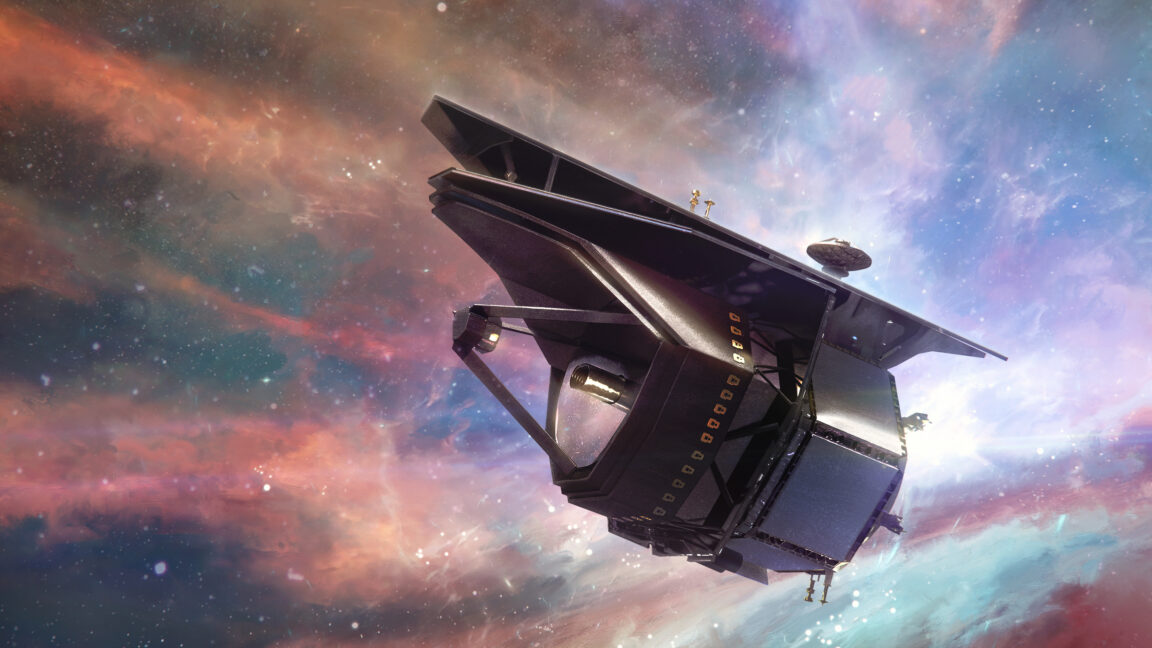
With PRIMA, NASA will try to build a billion-dollar space telescope in record time
NASA's PRIMA mission will use spare parts from Webb to do major science at a lower cost.
以下正文同步自 Ars Technica,版权归原站所有,已转换为易读排版。
The first in a new class of space telescopes is on track to reach the launch pad in the early 2030s, NASA announced this week. The PRIMA mission will be the first of NASA's Probe Explorers, a new line of observatories intended to do more science for less money. The agency's space telescopes typically fall into lower-cost "Explorer-class" missions, with cost caps in the range of a few hundred million dollars, or flagship observatories like the recently launched Nancy Grace Roman Space Telescope, which came with a price tag of some $4.3 billion. With the Probe Explorers, NASA officials seek to find a better balance between the smaller Explorer missions and multibillion-dollar flagships. NASA has studied potential Probe Explorer mission concepts for several years after an independent panel of scientists recommended the new mission category. But it wasn't clear until recently whether NASA's science budget, which is under pressure from the Trump administration, would be sufficient to actually start developing one. Read full article Comments
正文由 探How 从来源站点 RSS 同步,内容未经改写;遇到排版缺失或需要图片、视频时请以原文为准。