A Pickpocket's Guide to New York
“His hands—he’s like a concert pianist!” Turturro said. Robbins had tutored him at the movie’s production office, where they practiced techniques on a stunt guy and devised Harry’s steals. (“Like a fight choreographer,”…
以下正文同步自 Hacker News,版权归原站所有,已转换为易读排版。
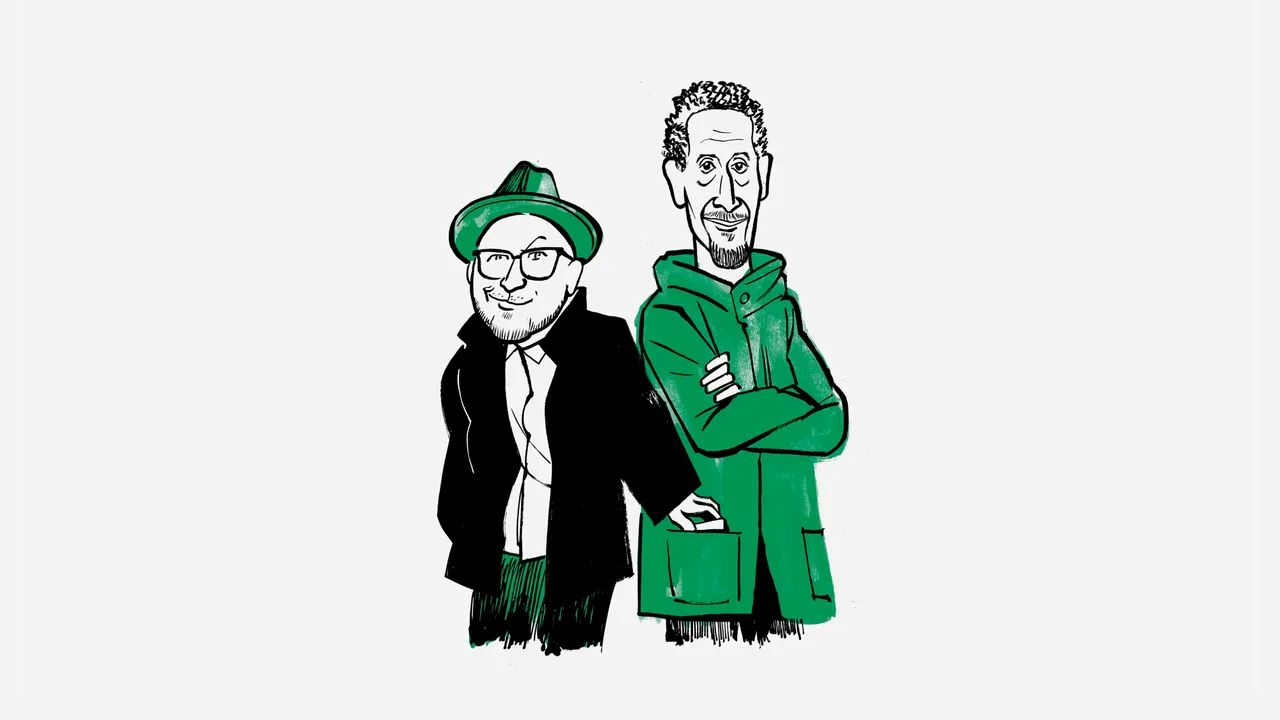
“His hands—he’s like a concert pianist!” Turturro said. Robbins had tutored him at the movie’s production office, where they practiced techniques on a stunt guy and devised Harry’s steals. (“Like a fight choreographer,” Robbins said. “But I was a theft choreographer.”) They considered having Robbins act as a hand double, but Turturro wanted to bring off the grabs himself. Among other things, he had learned from Robbins that a pickpocket’s gait changes after a steal. “You just want to disappear,” Turturro said, demonstrating how to blend in with the crowd. A woman approached Turturro to tell him that her son used to play basketball with his. After she left, Robbins revealed that he’d cased her: two bags, one slung around her back, the other under her arm. “So probably her valuables would be there,” he said. “Usually, you’d just cut the bag and drop the contents out.” He took a leather wallet from his coat. “They used to have a term called ‘peeking the poke,’ ” he went on. “ ‘Poke’ was another name for wallet, so peeking the poke was: Where is this going to be? If it’s in the inside pocket, that’s called ‘the pit,’ or ‘uptown.’ ” “I’m going uptown!” Turturro said, relishing the lingo. The actor had never been pickpocketed himself, but when he worked as a bartender in the seventies he’d been robbed at knifepoint. The ethics of pickpocketing intrigued him; unlike mugging, it’s usually nonviolent and requires finesse. “There’s a balletic aspect to it,” he said. Turturro found pickpocketing a bit like acting, insofar as he is stealing from life to create a character. “You stitch it together,” he continued. “But you are a thief in the night sometimes.” Robbins showed off a move called “reefing the kick”: using your fingers to walk an item up to the top of someone’s pocket from the outside. The resurgence of baggy jeans, he said, has been good for pickpockets. “There’s a fine line between fondling and pickpocketing,” he cautioned. “Too bad that line’s not in the movie,” Turturro said. A young red-headed guy came up and introduced himself as Zane Roth, a sometime magician. “Can we rob you?” Turturro asked. Robbins had Roth hold out his wrist, and showed how he would pop off the strap of his watch. After a few minutes, he handed Roth his wallet, having filched it from his front pocket during the conversation. Impressive enough. Then Robbins asked for Turturro’s wallet, from which he produced Roth’s student I.D. Growing up in Springfield, Missouri, Robbins had two older half brothers who stole for a living, before moving on to bigger crimes. He pulled off his first notable feat at age eleven, pocketing some cigarettes at a convenience store. The manager confronted him, and he slipped them into the man’s apron. (Robbins’s father, a preacher, later tried to exorcise him.) At fourteen, he discovered magic. “I started seeking mentors in both worlds”—crime and magic—“and created a hybrid out of those two,” he said. Robbins has studied “theft culture” around the world. In China, pickpockets use chopsticks, and bystanders tend not to interfere. In Japan, subway riders cram together but spread out once they’re off the train. Technology is a mixed bag: people are distracted by their phones, making themselves easier marks, but increased surveillance means that pickpockets have to fool the cameras as well as their victims. Thieves used to contact Robbins, but he’s less keyed-in now. “There are different criteria when you have a family,” he said. “How much time do I want to spend with criminal networks?” A few years ago, he gave up full-time performing and now runs a security company called Ludus Labs, using his insights into misdirection and deception to advise government contractors. He still pickpockets at client presentations—U.S. marshals, chiefs of police—to demonstrate blind spots in critical thinking. “The stealing is now a metaphor,” he said. “I’ve become a walking analogy.” ♦
正文由 探How 从来源站点 RSS 同步,内容未经改写;遇到排版缺失或需要图片、视频时请以原文为准。