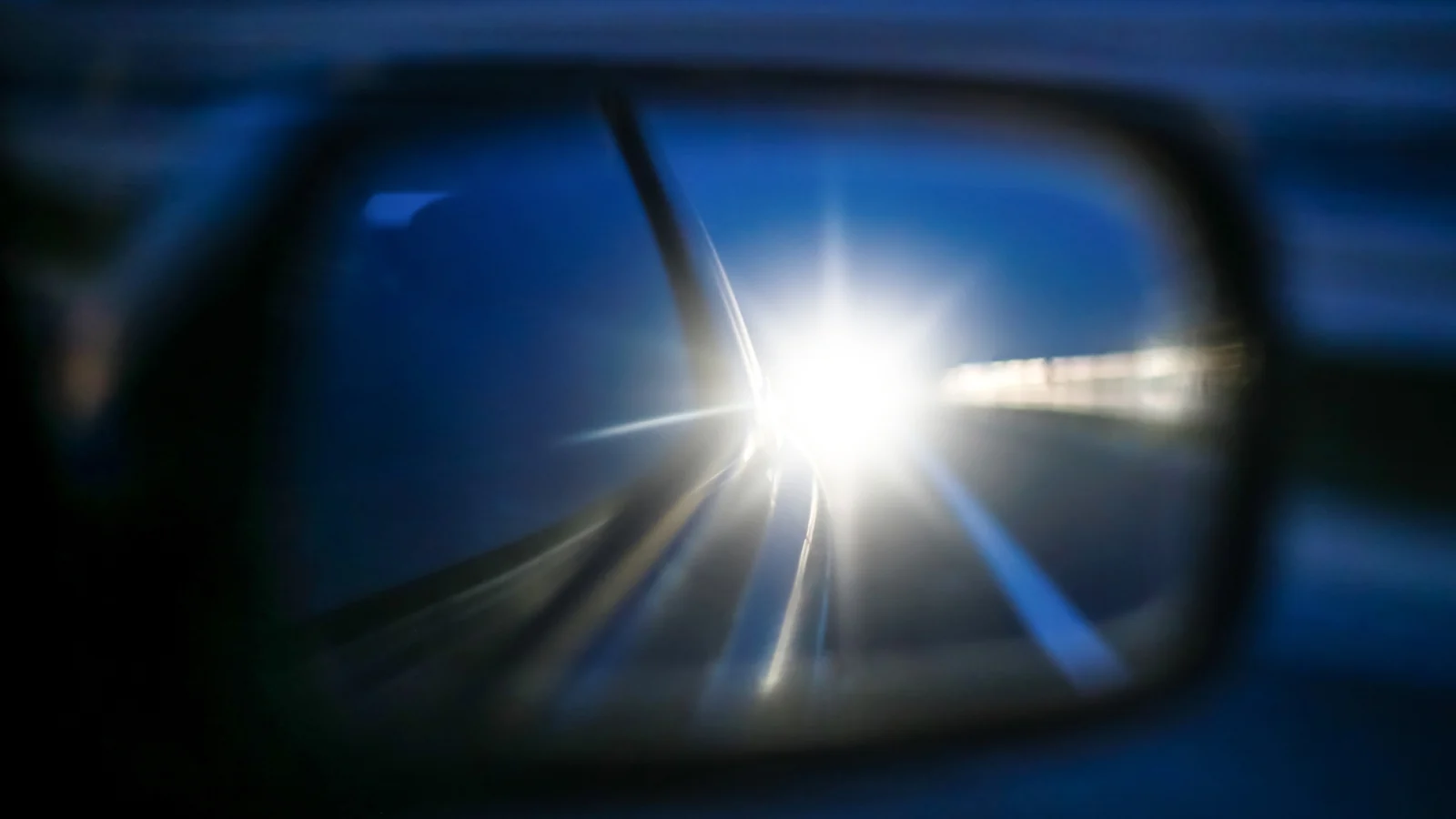
Why car headlights seem more blinding than ever before
Analysis: More and more Irish drivers are complaining of eye-related difficulties with night driving caused by headlight glare from oncoming traffic
以下正文同步自 Hacker News 最新,版权归原站所有,已转换为易读排版。
Analysis: More and more Irish drivers are complaining of eye-related difficulties with night driving caused by headlight glare from oncoming traffic
Vision is fundamental to safe driving and drivers must be able to see the road ahead. Conditions and time of day can make this task more difficult. As days shorten, more journeys take place in twilight or darkness, when many drivers report difficulties.
A survey of 1,745 UK drivers in January 2026 found 94% of respondents experienced dazzle from oncoming headlights (62% occasionally, 32% regularly). The growing concern about headlight glare has attracted media attention and prompted parliamentary questions in both the Dáil and the UK Parliament.
Optometry Ireland recently conducted a poll amongst Irish optometrists about night driving which produced some stark results. 92% of respondents reported increased patients complaining of glare or night-driving issues; 95% of respondents reported patients have reduced their night-driving and 76% reported difficulties when asked about their own experience (8% not sure).
We need your consent to load this rte-player contentWe use rte-player to manage extra content that can set cookies on your device and collect data about your activity. Please review their details and accept them to load the content.Manage Preferences
From RTÉ Radio 1's Today with David McCullagh, are modern car headlights causing havoc?
Modern headlights are brighter and use different wavelengths than in the past, which attempt to improve driver safety with increased illumination. This is great for the user, but other road users struggle. A UK study used a left-hand-drive vehicle to collect luminance measurements from the normal position of a driver in a right-hand-drive car during more than 50 hours of night-time driving.
Reported glare was associated with higher luminance levels, particular locations, and the pitch and roll of the test vehicle. Glare was more likely travelling uphill or negotiating a right-hand bend. The researchers noted that larger vehicles may worsen glare because their lights are positioned higher, although further research is needed.
Headlight glare issues aren't confined to Ireland or the UK. Internationally, the UNECE-Working-Party on Lighting and Light-Signalling is examining glare as part of its work on vehicle-lighting standards. International regulators are considering changes to headlamp design, alignment requirements, including dynamic automatic-levelling, adaptive beam-geometry, lower mounting heights and possible limits on dipped-beam intensity, although these proposals aren't yet final EU requirements.
What can Irish drivers do to reduce risks associated with night-driving while we wait for the experts? The RSA advises drivers to keep their windscreen clean inside and out, ensure that headlights are clean and correctly adjusted, use dipped headlights as appropriate, reducing speed and allowing extra space when visibility is poor. The advice from optometrists, as experts in vision and eye care, focuses on simple, practical measures as seen in the graphic above.
Some people worry that wearing glasses weakens their eyes, but corrective lenses don't cause eyesight to deteriorate. You should always wear correction prescribed for driving and get checked regularly. Most people in Ireland are covered for both eye examinations and basic spectacles with PRSI and medical cards.
Vision changes with age, caused by changes in the crystalline-lens which gets duller and cloudy. Sometimes, these changes progress to cataract. Contrast sensitivity also declines with age, particularly under low-light conditions. Research has linked poorer mesopic vision (low light like twilight / night-time) in older drivers with increased collision involvement, in particular for those with cataract.
We need your consent to load this rte-player contentWe use rte-player to manage extra content that can set cookies on your device and collect data about your activity. Please review their details and accept them to load the content.Manage Preferences
From RTÉ Radio 1's Today with Claire Byrne, why some drivers find LED lamps too bright
An anti-reflection coating can reduce reflections from lens surfaces. However, drivers should be cautious about tints and filters marketed for night-driving: a tint may reduce the immediate discomfort of bright headlights, but incorrect tints can make it more difficult for the rest of the journey.
The causes of road-traffic accidents are complex and it’s important not to oversimplify. The message of stay safe and slow down is powerful, but other interventions also help. You need to see what’s happening on the road to react in time.
Martin O'Brien is an Optometrist and Chair of Education & CPD at Optometry Ireland. He has been the Optometry expert contributing to Sláinte agus Tiomáint (Medical Fitness to Drive Guidelines) in Ireland through the National Office for Traffic Medicine Working Group.
The views expressed here are those of the author and do not represent or reflect the views of RTÉ
正文由 探How 从来源站点 RSS 同步,内容未经改写;遇到排版缺失或需要图片、视频时请以原文为准。