Anduril, Qualcomm launch BlueChip, a new kind of US-made laptop
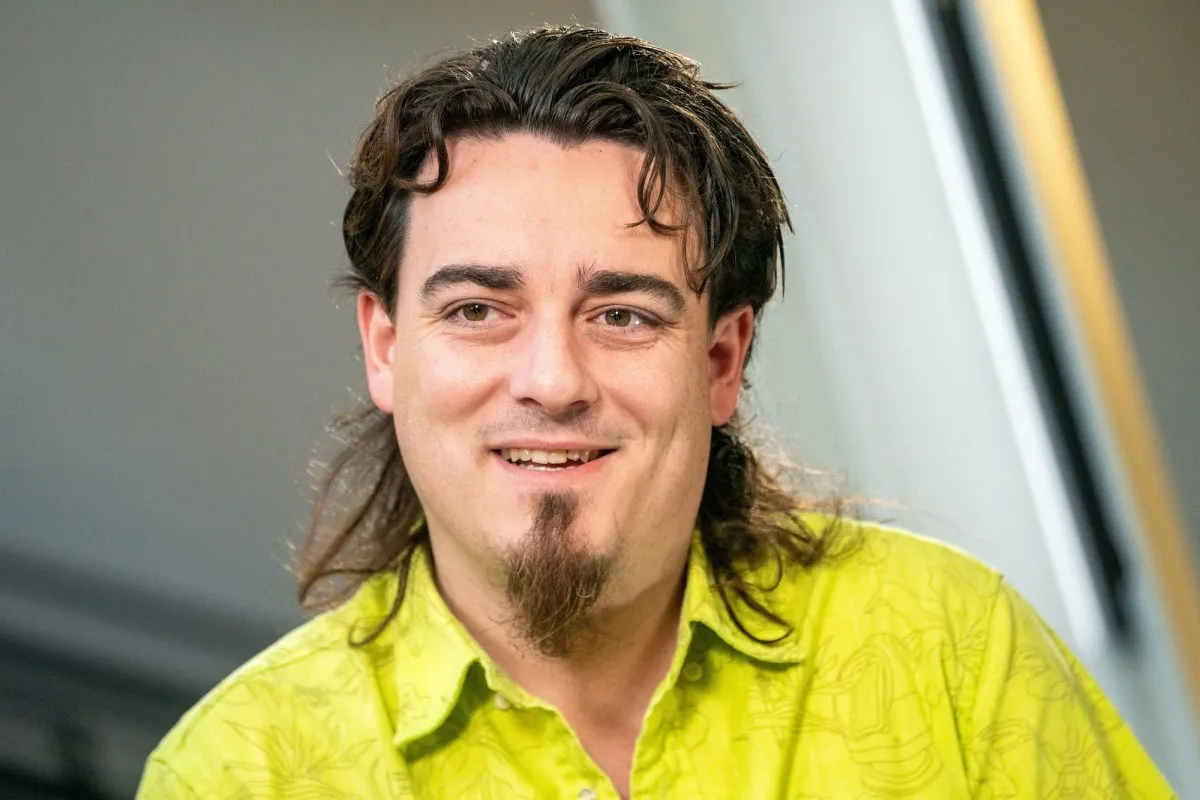
Anduril founder Palmer Luckey is vowing to bring computer manufacturing back to the U.S. and by that he doesn't just mean assembly, but every individual component, some of which are exclusively made in China today.
以下正文同步自 TechCrunch,版权归原站所有,已转换为易读排版。
Anduril founder Palmer Luckey is vowing to bring computer manufacturing back to the U.S. And by that, he doesn’t just mean assembly, but the production of every individual component, some of which are exclusively made in China today.
Anduril is partnering with Qualcomm to achieve that mission with a new computer called BlueChip, the companies announced Tuesday. BlueChip will be available for preorder in 2027.
While technical details are scant — Anduril hasn’t even finished contracting with all its component suppliers yet, according to Luckey — this first product will be a hardened laptop. It will be designed to withstand the most grueling physical environments and meet the security-conscious needs of the military, government, first responders and law enforcement.
For the first generation, about 90% of its components will be made in the U.S. or in allied countries, Anduril says, most notably its CPU. BlueChip will run on a Snapdragon X Series built at TSCM’s massive new facility in Arizona. The CPU uses the same architecture that powers other laptops, including the Microsoft Surface, Qualcomm CEO Cristiano Amon said during the press conference.
“As of right now, the laptop’s bill of materials is about 90% U.S. and allied [ally countries], and we have a technical roadmap to get to 100% domestic over time,” Luckey said. “The intent in the long run is to have an option that is made entirely in the United States, 100% domestic. And I mean everything. I mean the displays. I mean the metallics. I mean the the magnetics. All of it.”
Right now, for instance, Luckey says he’s found an American supplier for the glass that covers the display, but the display itself is one of several components he says are only manufactured in China.
While Luckey says consumers are welcome to order a BlueChip — the company may even create a waiting list for interested consumers — this first PC won’t be designed for them. For one thing, as a hardened computer, it will be heavy and have battery-life constraints because of the engineering required to withstand rain, dust, and other rugged conditions.
The bigger point is to offer U.S. government agencies a product that complies with regulations requiring them to buy U.S.-made computers. In this case, the selling point is a transparent supply chain that customers can track and audit.
“These computers are the anti-surveillance computer. You fully control it,” Luckey described in a recent interview. “You know everything that is in it, every single component, and you know every software component that is running on it.”
Anduril is also working to ensure that the Arm-based machine works well with Windows apps, apps built for certain Linux distributions used by the government, and even archaic software that various agencies still run.
While Anduril hasn’t yet announced pricing, Luckey estimates it will cost about 20% more than typical high-end PCs.
“As much as I love BlueChip, if I was just a normal consumer making a rational decision without a kind of patriotic basis, I’d be better off buying a Dell laptop than an Anduril laptop because it’s going to be cheaper. I’m just talking about your average person consumer, right, who doesn’t have any real need for this,” Luckey said.
But Luckey clearly hopes Anduril will eventually make U.S.-made laptops more in line with consumer desires. He said the product is the first in what he envisions as a full line of BlueChip computers, noting that he began his career making devices virtual reality headsets for consumers.
“I’m buying American cars, and then I buy a computer that’s made on the other side of the world, not just China, but you know, Japan, Korea,” he said. “It’s kind of humiliating that as an American and my birthright is computers, in my opinion, because America invented them, that I’m not able to buy an American computer.”
As for the potentially expensive folly of trying to take on China’s electronics components manufacturing industry single-handedly, Luckey joked about his internal reputation for “being a nut” with such big ideas. (He admits that he pushed his board to spend $900 million to build a factory for a jet before the company had even won a contract.)
“This is not one of those things. My investors do not think I’m a crazy person in this particular area,” he said. In fact, rugged computers are already about a $5 billion market.
When you purchase through links in our articles, we may earn a small commission. This doesn’t affect our editorial independence.
November 4
Boston
Buy One Pass, Get a Second Free
Cover more ground at TechCrunch’s ultimate founder bootcamp of the year by bringing your co-founder or partner for free
Book before the BOGO deal expires
Grok releases the first seven minutes of its AI-generated ‘Odyssey’
Anthony Ha
The AI graveyard: a running list of projects and startups that didn’t make it
Lauren Forristal
Warhound raises $200M to engineer war dogs and arm them with Anduril gear
Dominic-Madori Davis
Uber puts all 30,000 employees on ChatGPT Work
Lucas Ropek
Airbnb limits chores for guests, sparking backlash from hosts
Lauren Forristal
Tesla starts Optimus robot production in California as profit falls 43%
Kirsten Korosec
Sean O'Kane
The internet is having a very bad cybersecurity day
Sarah Perez
正文由 探How 从来源站点 RSS 同步,内容未经改写;遇到排版缺失或需要图片、视频时请以原文为准。