资讯与观察
AI 行业动态、工程实践、产品方法和社区故事。

Warp 如何让 Agent 自我进化
Warp 用人类反馈持续改进 Skill,为 Agent 建立了一套低摩擦的自我进化循环。

LATEST STORIES
最新内容

From CUDA to MLX: How K-Search Brings Decades of Kernel Expertise to Apple Silicon精选导读
Figure 1: CUDA-to-MLX optimization translation map. CUDA optimization knowledge can be translated into architecture-native MLX strategies rather than copied instruction-for-instruction. We face a new epoch in computing.…

从 TL 到 EM:我终于不再盯着 AI 写代码了精选导读
当 Coding Agent 的代码质量越过可信门槛,人的价值就该从盯实现,转向定方向和验收结果。
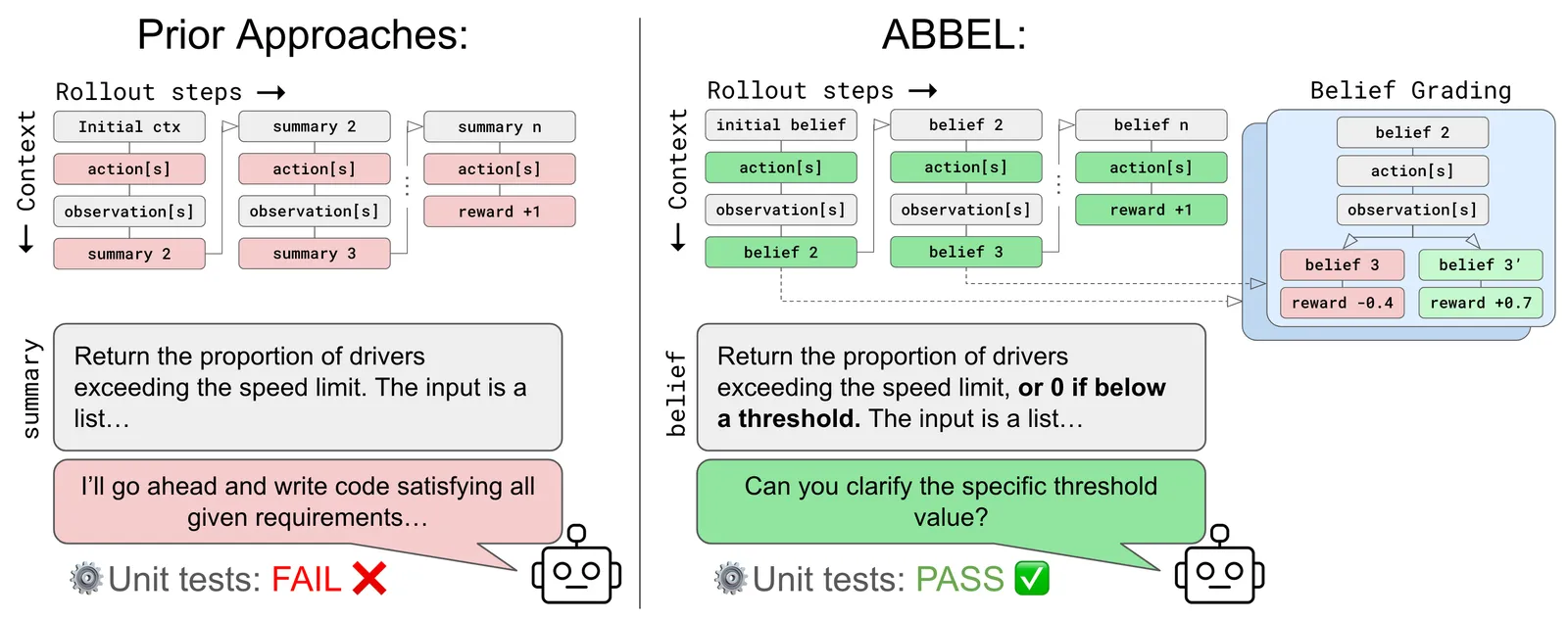
Teaching LLMs to Update Beliefs for Efficient Long-Horizon Interaction精选导读
Overview of ABBEL compared to traditional recursive summarization. Beliefs replace the full interaction history as the agent’s working context, and belief grading improves performance by supervising the contents of each…
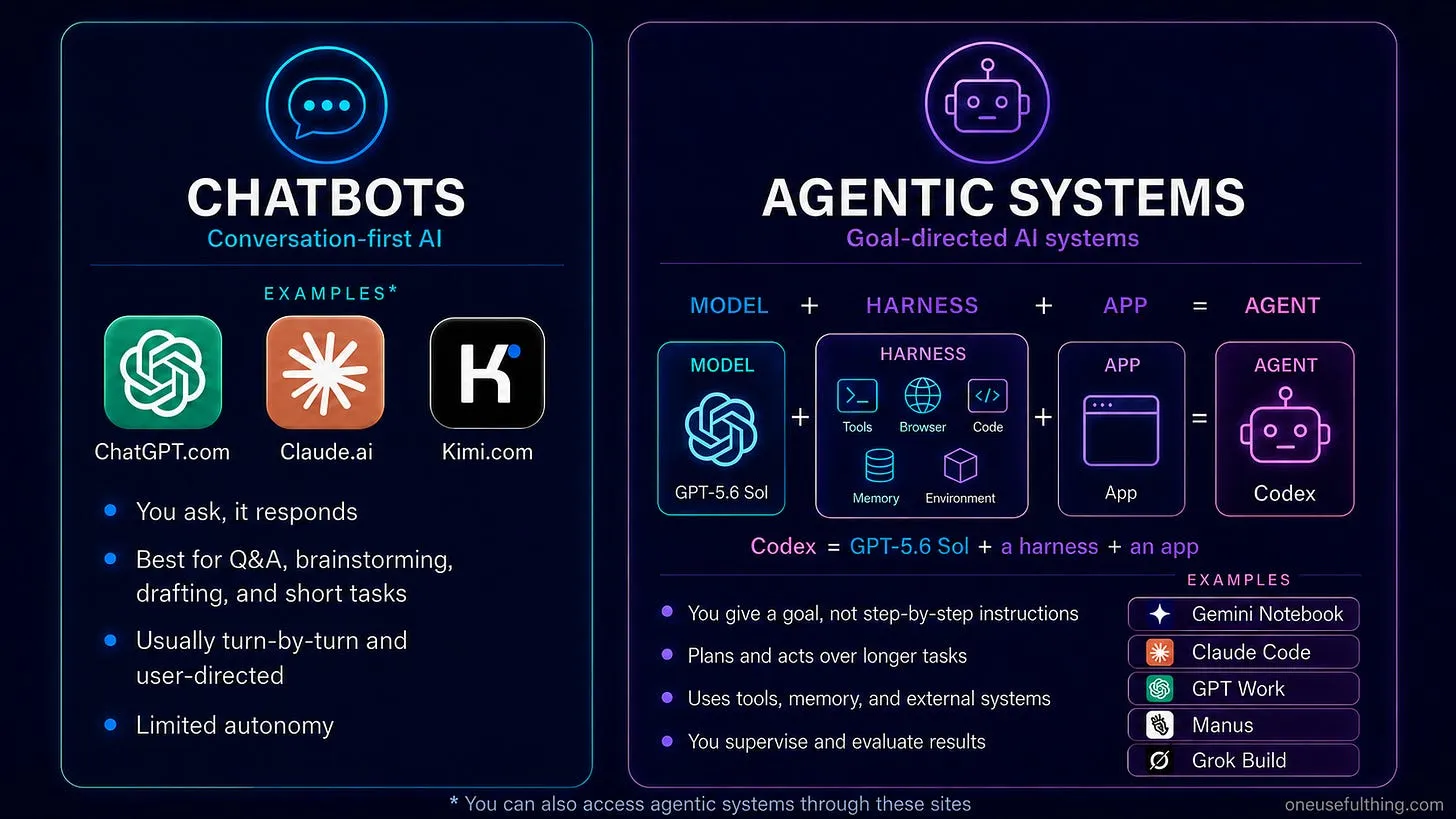
An opinionated guide to which AI to use to do stuff精选导读
The Summer 2026 Edition
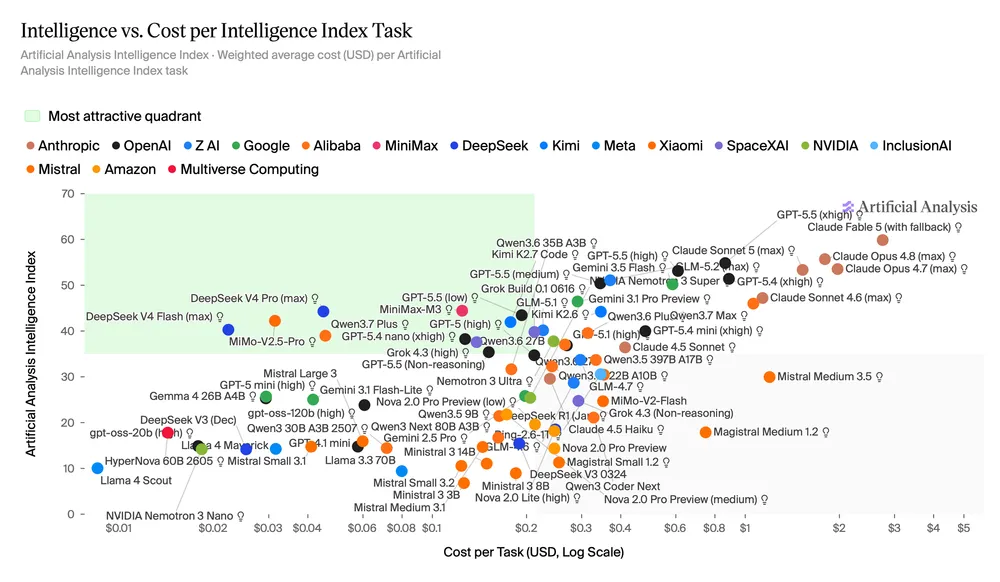
Ways to think about token pricing精选导读
AI is in a supply crunch today, but what happens when we come out of it? How and where will supply, demand, price, capacity and capex get back into equilibrium? Today, model labs can name their price, but why won’t they…
Intelligence is Free, Now What? <br> Data Systems for, of, and by Agents精选导读
... government of the people, by the people, for the people ... — Abraham Lincoln, Gettysburg Address (1863) The cost of AI is dropping rapidly. GPT-4-class capabilities cost roughly $30 per million tokens in early 2023…

Harness Engineering for Self-Improvement精选导读
The concept of recursive self-improvement (RSI) dates back to I. J. Good (1965), where he defined an “ultraintelligent machine” as a system that can surpass humans in all intellectual activities and design better machin…

2026 BAIR Graduate Showcase精选导读
Congratulations to the Berkeley Artificial Intelligence Research (BAIR) Lab class of 2026! This year, BAIR celebrates another remarkable group of Ph.D. graduates whose curiosity, creativity, and perseverance have pushed…

Scaling Laws, Carefully精选导读
Scaling laws are one of the most critical empirical findings in deep learning. The observation is simple in form: the training loss $L$ decreases predictably as we scale up model size $N$, dataset size $D$, and compute …