架构
系统设计、平台工程与架构演进
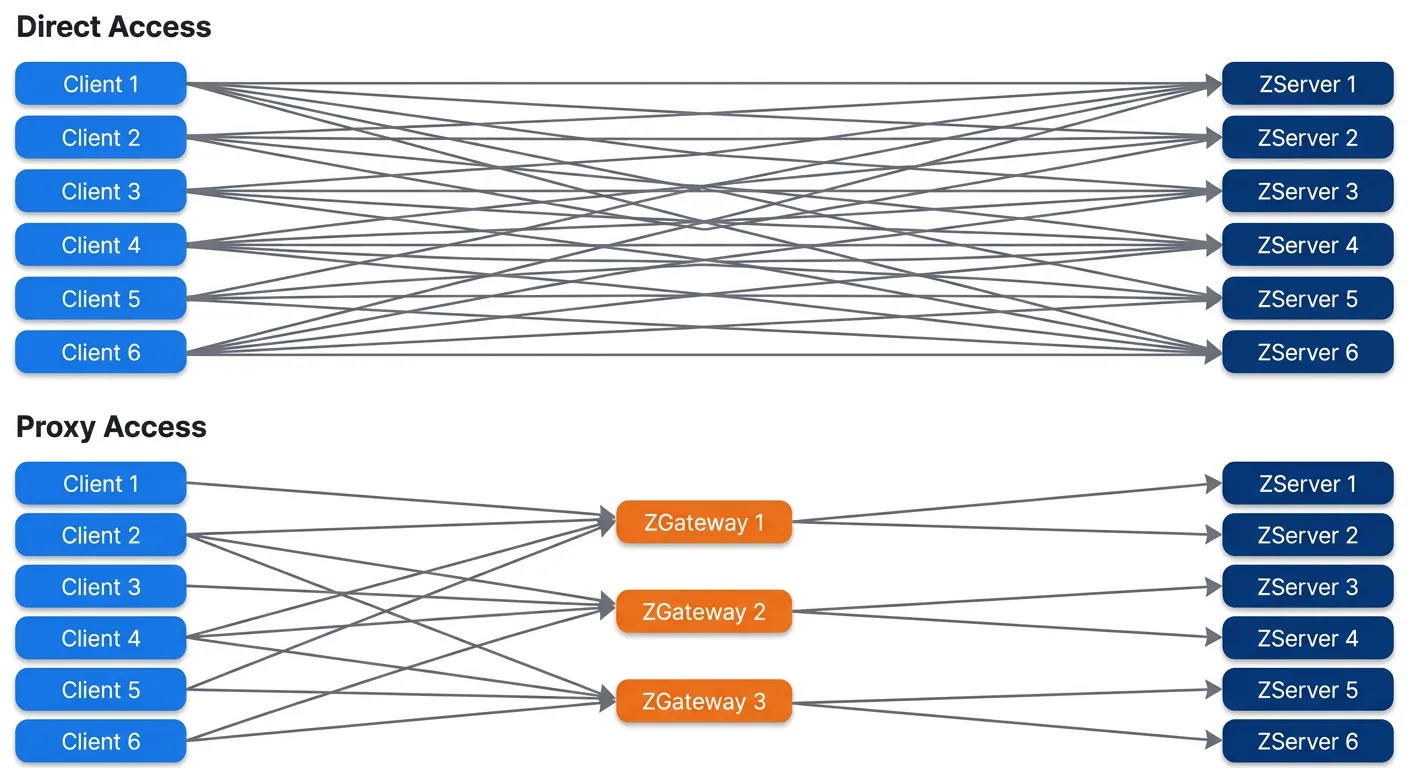
ZGateway: Learnings from Putting a Proxy in Front of ZippyDB
We’re introducing ZGateway, the proxy we are using to unify traffic through ZippyDB, Meta’s most widely-used key value store. As a bonus, it also enables admission control, load balancing, cross-region resilience, and r…

Bliki: Paracelsus Maxim
The difference between a medicine and a poison is dosage. Often we talk about certain habits, in programming or life, are good or bad. But few things are simple binaries. Some vary with context: reading a book is a good…
3 分钟 · Martin Fowler
An Accidental Blackboard
Giles Edwards-Alexander reports that during an experiment to see how productive a team could be using fully agentic engineering practices, the team accidentally prompted the agents into creating a blackboard coordinatio…
18 分钟 · Martin FowlerLATEST STORIES
最新内容
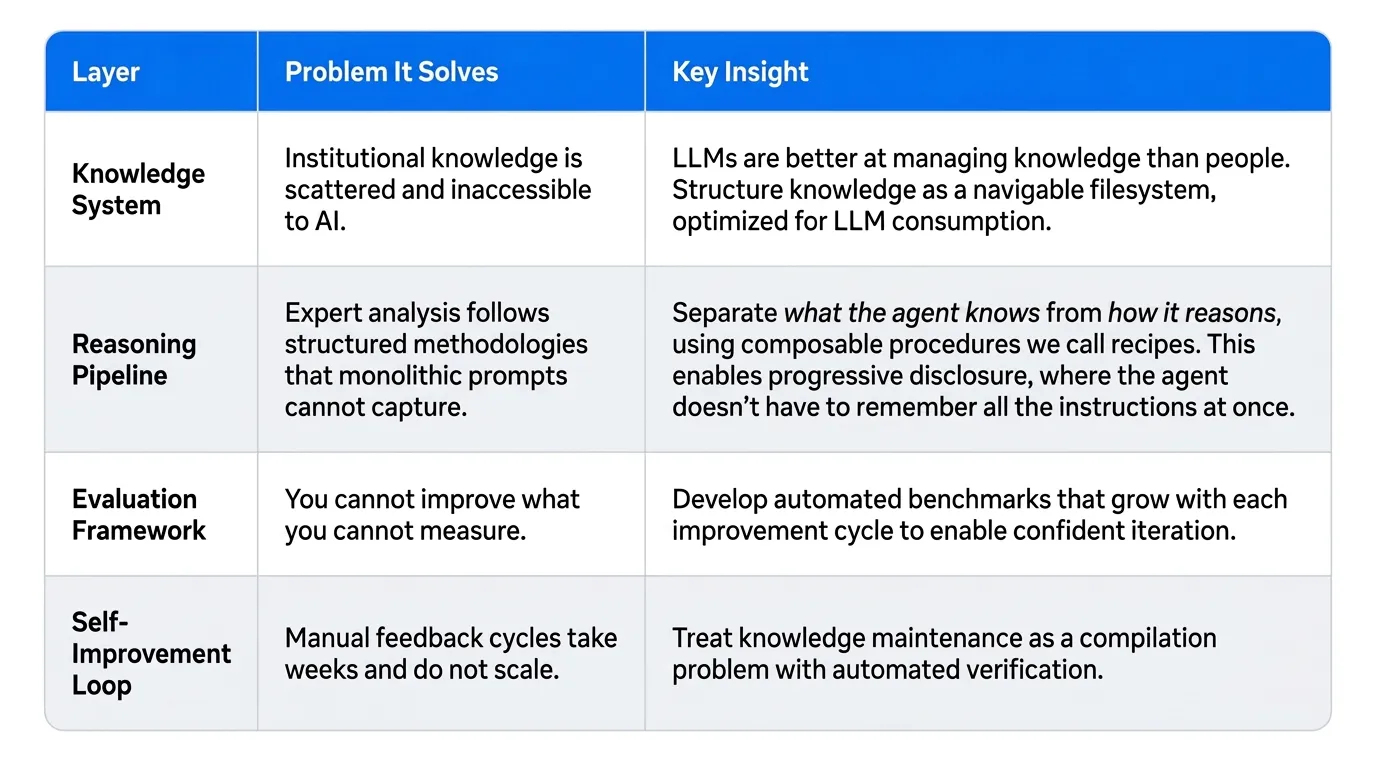
An Organizational Second Brain: Building an AI That Learns From Experts精选导读
We’ve built an AI agent that acts as a secondary expert for a given domain, making deep specialist knowledge readily available and preserved for anyone in an organization to access, share, and build upon. This is not a …

MAPS: Netflix’s Multimodal Asset Personalization at Scale精选导读
By Emma Yanyang Kong, Aditya Deshpande, Asad Abbasi, Bowei Yan, David Fagnan, Ashish Rastogi, Dhaval Patel, Ray Zhang Introduction The Netflix experience is a journey of discovery. Every visual cue, from the artwork on …
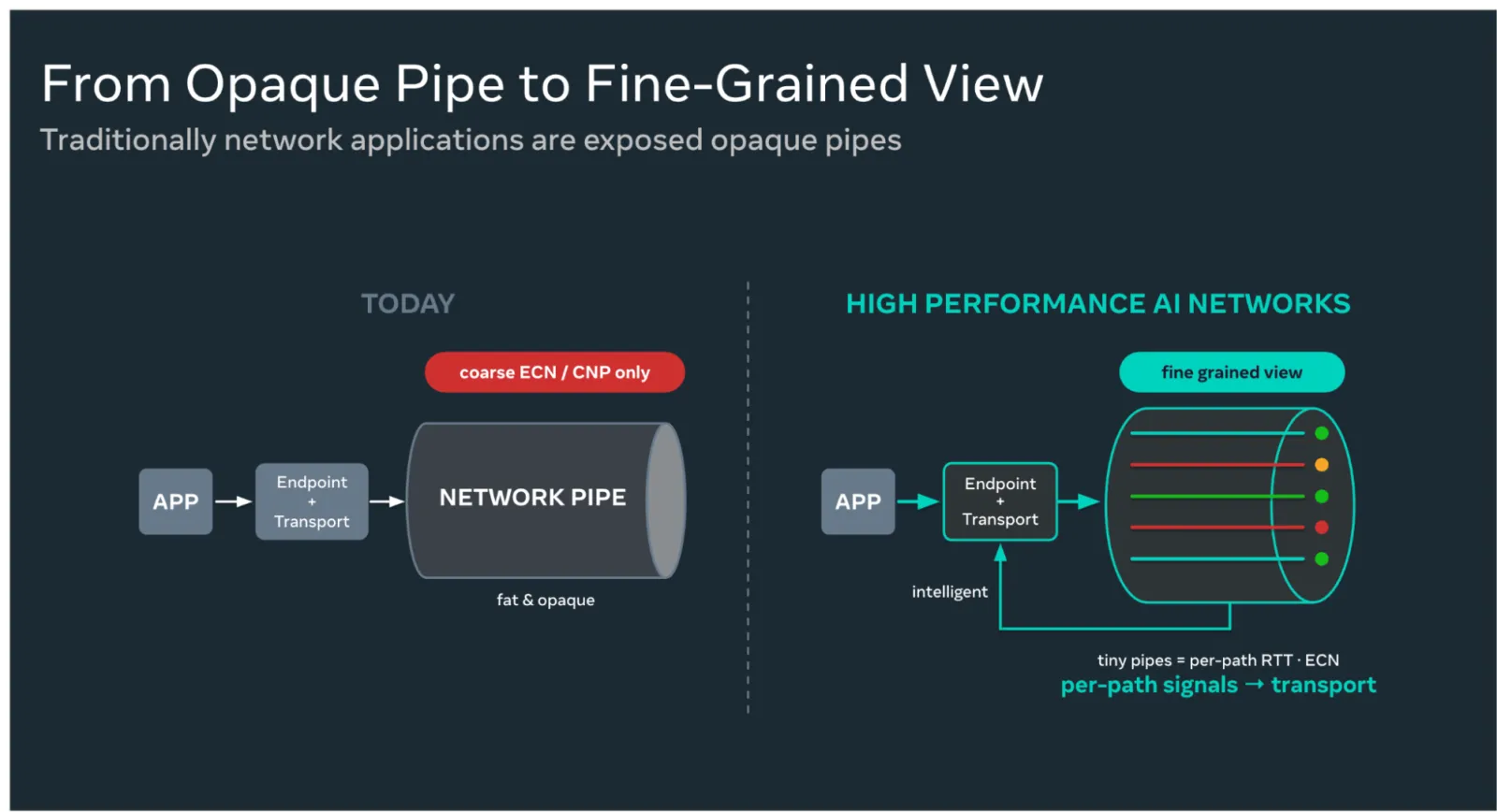
MetaRoCE: A New RDMA Transport Built for AI-Scale Ethernet精选导读
Training and serving frontier AI models depends on fast, reliable networks that move data between GPUs without wasting compute cycles. To meet this challenge at scale, Meta designed MetaRoCE – a clean-sheet RDMA transpo…
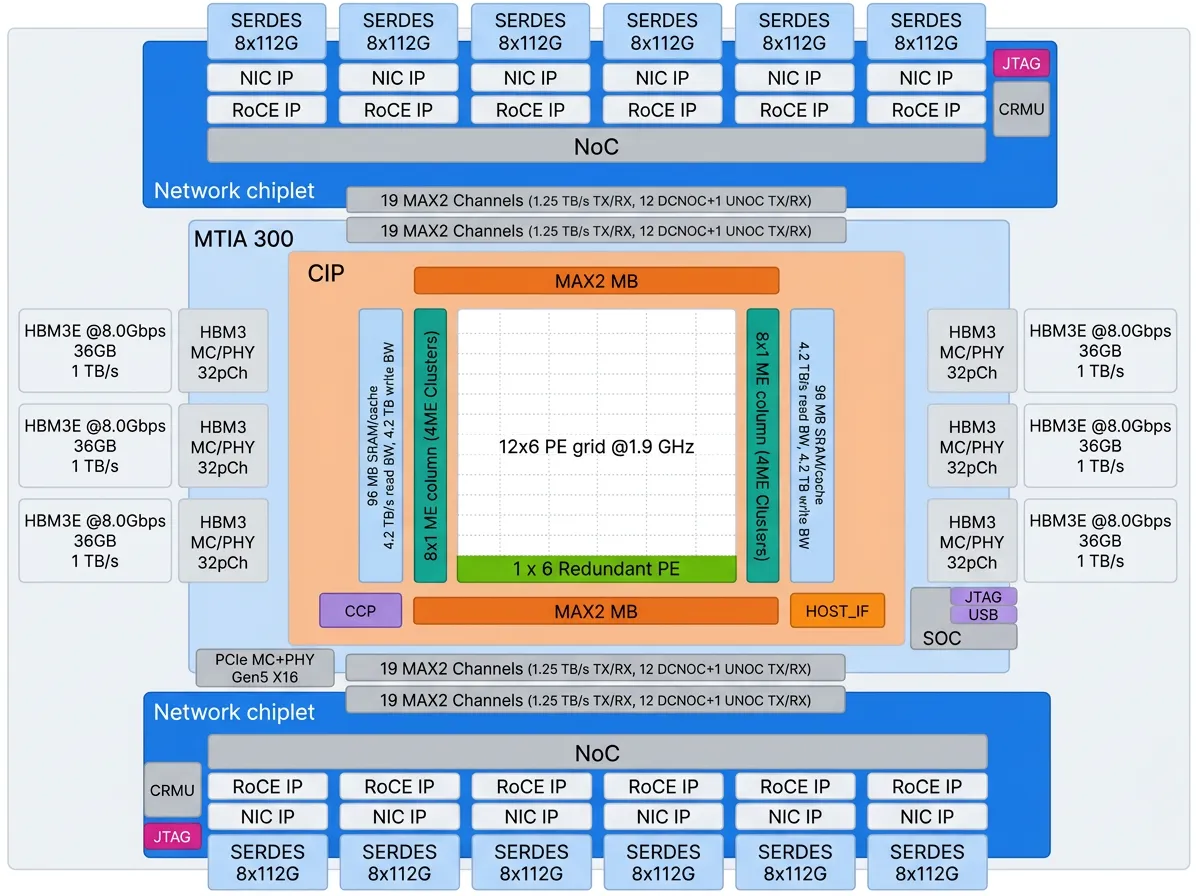
MTIA 300: Meta’s First Training Chip with Built-in NICs and Communication-Offloading Engines精选导读
MTIA 300 is the first of Meta’s family of in-house training and inference accelerators optimized for training ranking and recommendation models. We’re sharing how MTIA 300’s built-in NIC chiplets allow it to meet the co…
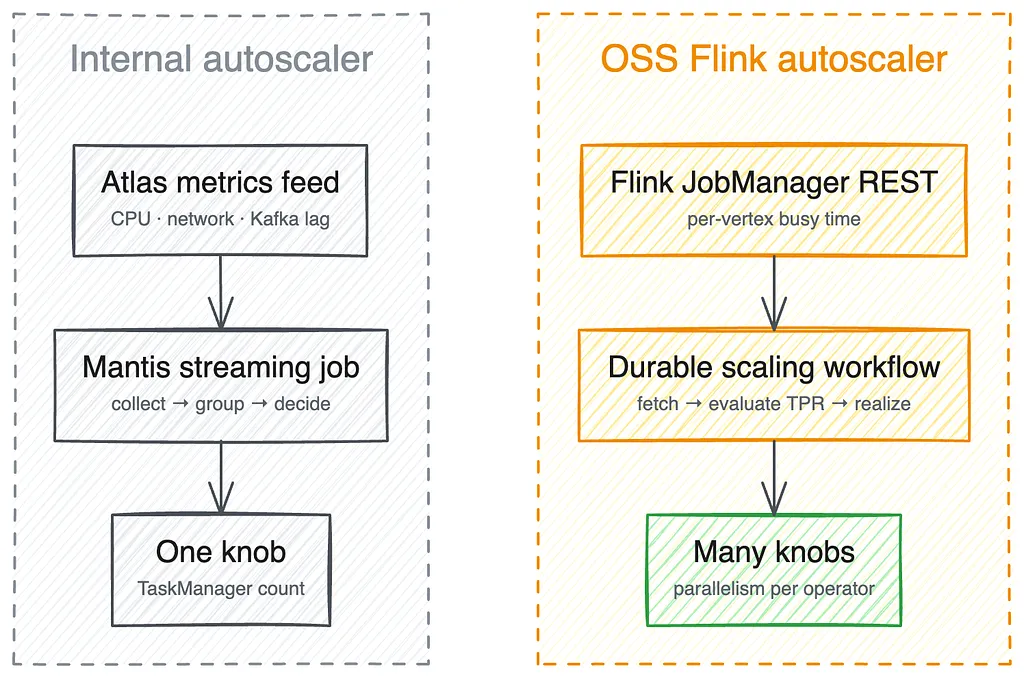
A Tale of Two Flink Autoscalers精选导读
Samuel Yeboah, Francesco Di Chiara and Mingliang Liu Today, Netflix runs two Flink autoscalers. That is exactly one more than we want. We built the first one in-house years ago, when there was no mature option suited to…
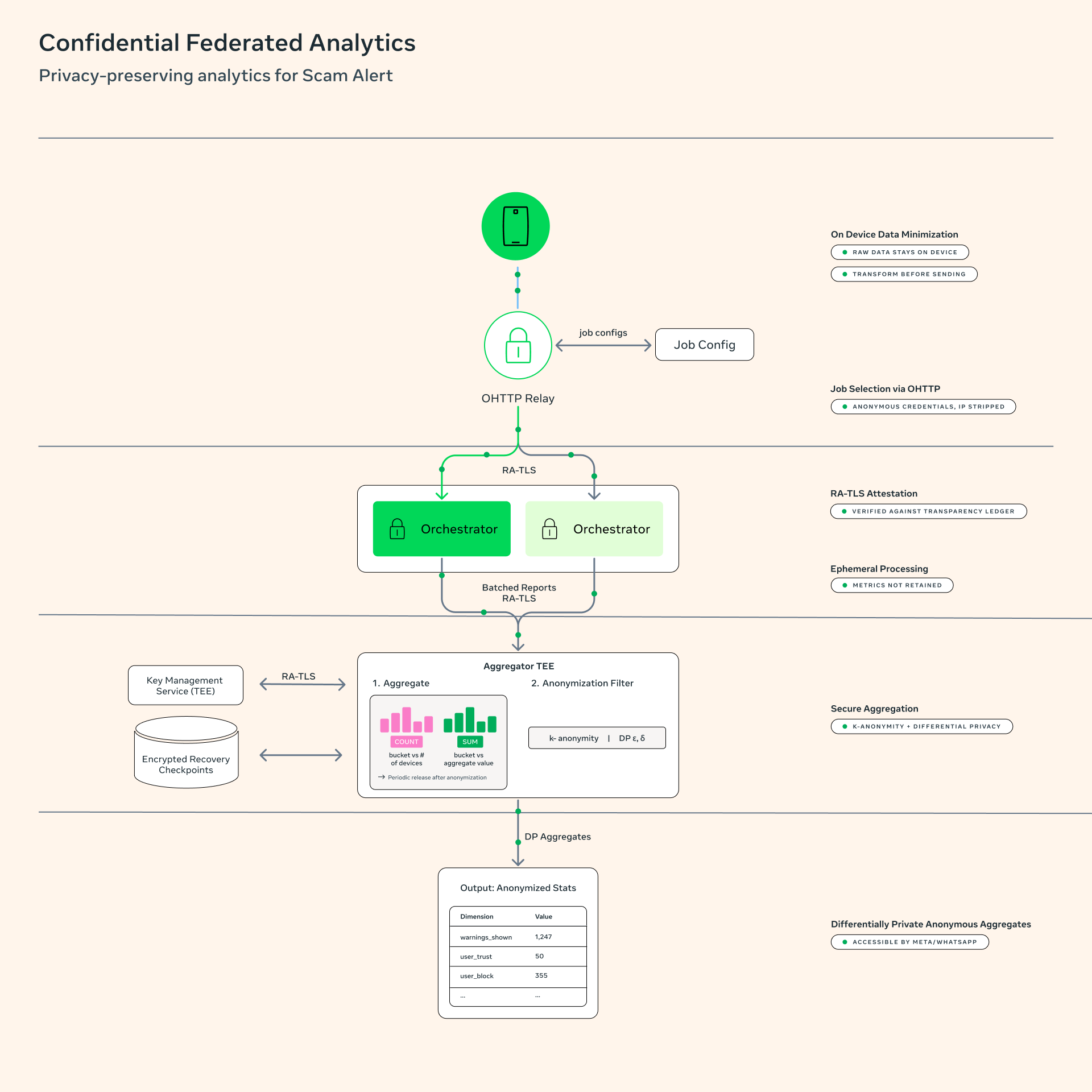
How We’re Building Scam Alert on WhatsApp With End-to-End Encryption and Verifiability Guarantees精选导读
WhatsApp is committed to helping people stay safe while protecting the privacy of their messages. As scam tactics evolve — from impersonation to social engineering to AI-generated lures — we’re always evolving as well, …
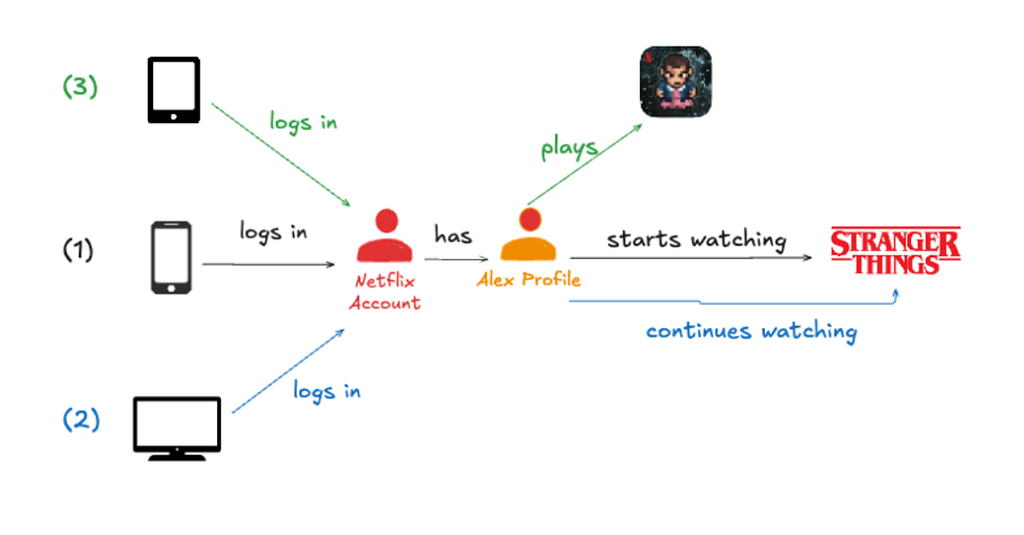
How and Why Netflix Built a Real-Time Distributed Graph: Part 3 — Querying the graph with gRPC…精选导读
How and Why Netflix Built a Real-Time Distributed Graph: Part 3 — Querying the graph with gRPC execution API Authors: Nilesh Mishra and Ajit Koti This is the third entry of a multi-part blog series describing how we bui…
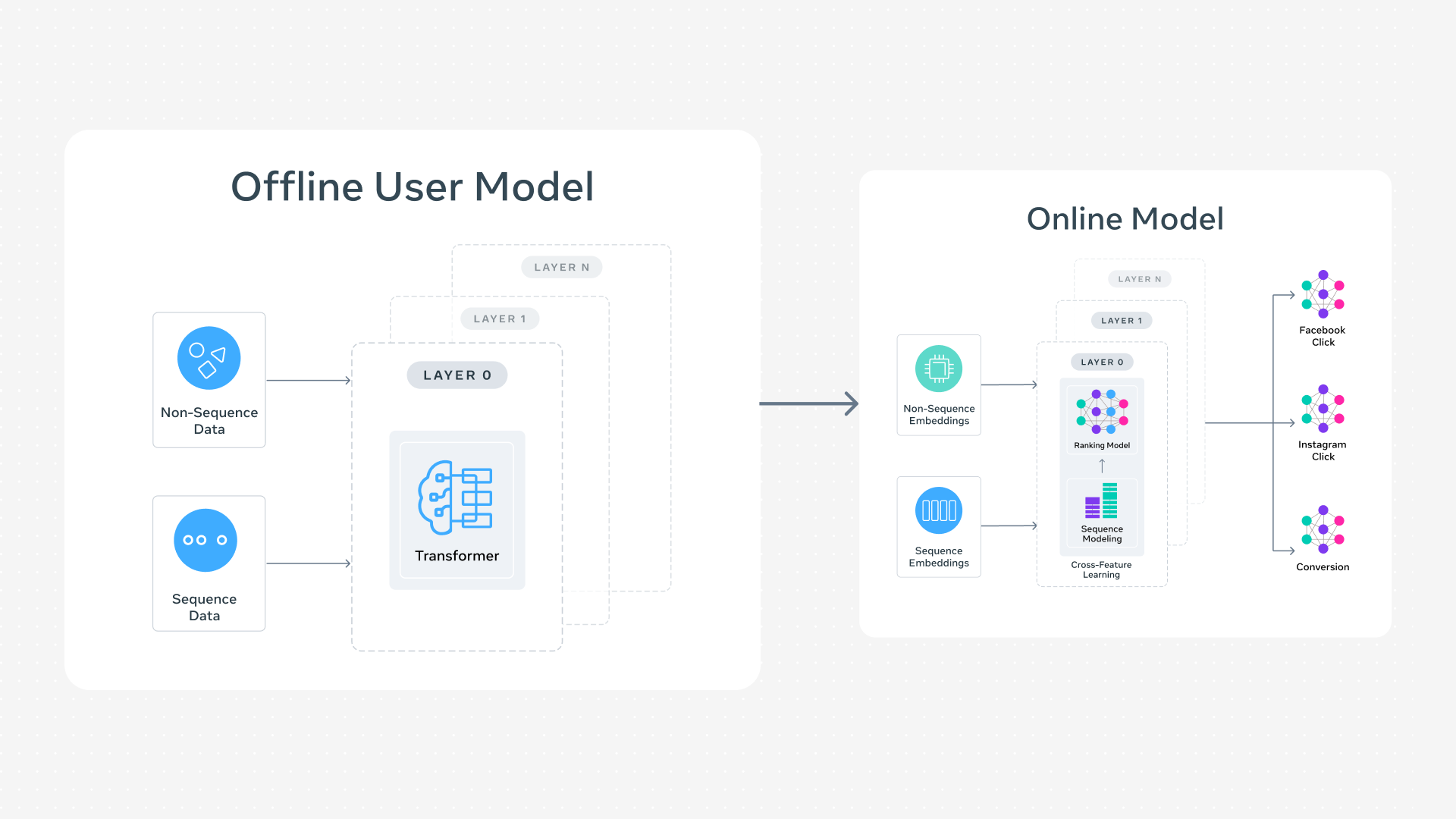
From User Sequences to Scaling Laws: A Multi-Stage Architecture for Meta’s Ads Ranking精选导读
Every day, Meta’s recommendation platforms handle billions of user interactions, generating rich temporal signals that capture individual preferences and intent across products, ads, and content. In our 2024 post on seq…

Modeling Device Capabilities for Analytics精选导读
by Aarti Laddha, Richard Diaz-Cool, Rishika Idnani, Venkatesh Selveraj Netflix supports a vast and evolving set of features and content types, ranging from 4K streaming and immersive audio to live streaming and cloud ga…