What writing for the Washington Post taught me about standup comedy (part 3)
A fun fact about me is that I pivoted to freelance journalism after spending over a decade working as an occupational therapist. After my second child was born, working from home in an industry I was super excited about…
以下正文同步自 Hacker News 最新,版权归原站所有,已转换为易读排版。
Pam Moore
Oct 23, 2026
Share
A fun fact about me is that I pivoted to freelance journalism after spending over a decade working as an occupational therapist. After my second child was born, working from home in an industry I was super excited about felt like the right move.
Despite my complete lack of formal training or education, within a few years, I was writing health and fitness articles for many of my dream publications, including a monthly assignment for the Washington Post’s Wellness section. I got to talk to some of the world’s leading experts on topics I found fascinating and share what I learned with thousands of readers.
I also learned a ton about running my own business, the art of journalism, and how many ways there are to say “Your invoice is overdue.”
Around the same time the publishing landscape started to really crumble, I knew in my bones that journalism was a stepping stone to something else.
Exactly what is still unfolding. But I know comedy is a big part of it.
I’m grateful for all the lessons I’ve taken to the stage from my life as a journalist, which are too many for one post. (which is I also wrote about them here and here.)
What writing for the Washington Post taught me about standup comedy
Pam Moore
·
Sep 15
Read full story
What writing for The Washington Post taught me about standup comedy (part 2 of several)
Pam Moore
·
Sep 23
Read full story
Here’s a couple more:
Good writing starts with you—what gets you curious or intrigued or pissed off—but if you want anyone to care, you need to care about your audience.
But Pam, you say. I’m an artist. I need to write what inspires me. I need to be true to my craft. I get that.
Don’t abandon yourself. But if you don’t consider what your audience wants, don’t be surprised if your article pitches aren’t landing or you aren’t getting booked.
Attention spans are short. Your writing needs to immediately engage your audience, promise to deliver something they want, and then deliver it.
Service journalism, the kind of writing I did for the Post, gives readers news they can use. In 1000 words or less, I had to establish the problem or trend, why it mattered, and then how to solve the problem or jump on the trend in question, usually in the form of three to five tips, or a few do’s and don’t’s.
I based these articles on recent peer-reviewed studies and phone interviews with at least three experts. Oftentimes I had to sift through over ten thousand words worth of interview transcripts. Distilling all my research and reporting into less than a dozen short paragraphs was HARD.
It made me a better writer, but more importantly, it gave readers an article that was both compelling and useful.
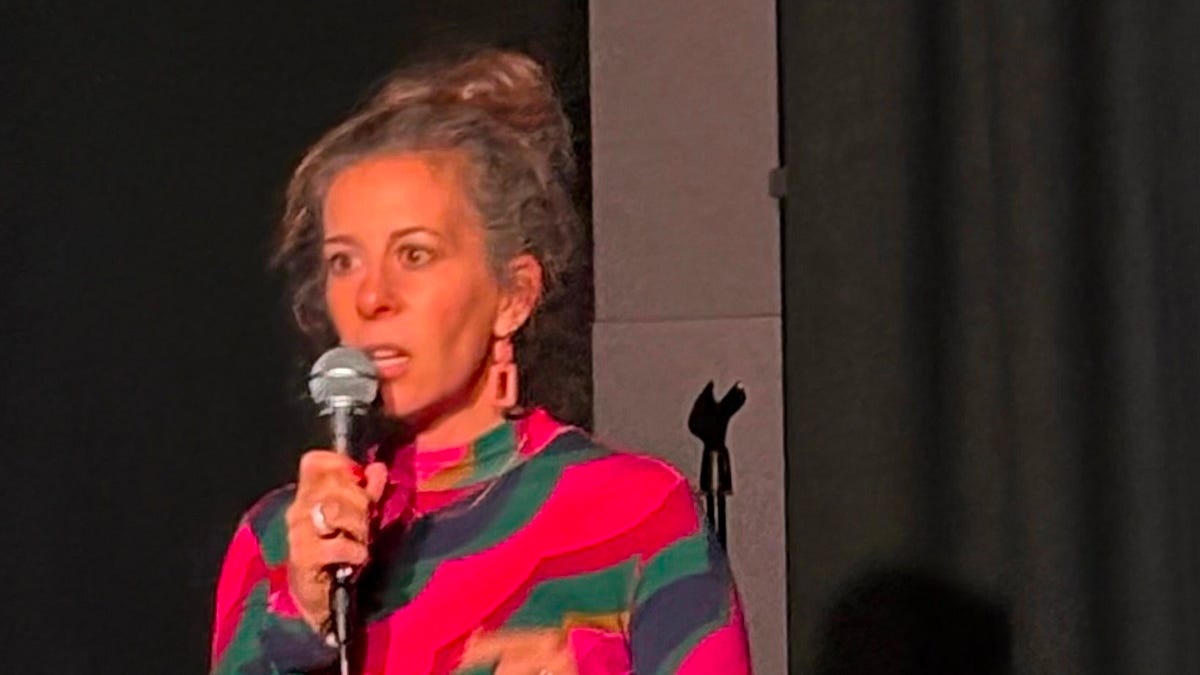
As a standup comedian, I’m writing for a different kind of audience than I was as a health and fitness journalist—but I’m looking for the same result. I need to hook my audience and give what I promised—laughs. To do that, I have to make my setups as short as possible and make the payoff (ie the punchline) worth the wait.
I might not always do that, but it’s what I strive for. Taking feedback like a professional- from editors, readers, trusted peers, and audiences, is helping me get there faster.
When you tailor your message to your specific audience, you’re likely to engage them and keep them coming back for more. And that starts with knowing them.
With publications, that’s not super hard to do. Sometimes everything you need to know is in the name (e.g. Bicycling, Triathlete, Outside.) Otherwise, reading the publication (at least the headlines) gives you a good idea of who the target audience is and what they want.
The Post’s readership was primarily adults seeking general health and fitness advice—so what I covered for them was different from what I covered for outlets like Runner’s World, Bicycling, Outside, or SELF. A general audience doesn’t want or need information about how to get a PR in their next 5k, the best way to wash their bike, or whether you should adjust your workout based on your cycle.
With comedy, it can be harder to know who’ll be in the audience until you show up—but that doesn’t mean you shouldn’t try to do some detective work. I love being on shows like Moms Unhinged, or Yes Ma’am! (coming up on 11/14, my first solo produced comedy show!) with specific themes, so I can choose a set ahead of time that will align with the crowd.
And while you never know exactly who will show up to a particular show, even with a general audience, there are clues. Knowing the culture or political leanings of the area you’re performing in, for example, can give you a ton of valuable information. You can also listen to the comics ahead of you and see what kind of material hits or ask friends who’ve performed there before what the crowds were like.
One of my worst experiences on stage was bombing in front of a theater in Farmington, NM. If I’d researched Farmington’s demographic info ahead of time, I would have intuited that this was not a psychedelics-friendly bunch. Instead, I found out in real time, which I do not recommend.
I’m not saying you should be someone you’re not to appease your audience. But if you can swap a risky joke with a safer joke based on what you know about the crowd, why wouldn’t you? Just like with any relationship, the better you know your people, the easier it is to connect with them.
Let me help! I’ll coach you on how to inject humor (while still sounding like you), tell a compelling story, or both, to keep your audience engaged.
This is a new service I’m testing and I’m looking for 2-3 people with an upcoming talk, presentation, or piece of content who will let em work with them for free in return for candid feedback, and if you’re happy with the results, a testimonial.
Why me? In addition to my background in journalism and standup comedy, I’ve also co-produced and directed Boulder’s Listen to Your Mother Show, a live storytelling show, and have published personal essays in outlets including The Washington Post, Kveller, and Longreads.
If this sounds interesting, email me pam@pam-moore.com
to understand more than you ever wanted to know about the deep and far-reaching roots of antisemitism or what we’re apparently now calling antizionism and how we got where we are today, Dara Horn’s new book, The Final Solution to the Jewish Question is a must.
a new playlist: May I suggest 90s lesbian coffee shop on Spotify? I’m obsessed.
something to wear: Grab my Nuuly affiliate link and get $30 off your first month.
a little creative inspo: Read my recent interview with Rabbi Yali
a Substack Notes feed that’s as brilliant as it is weird, dark, and funny: check out melissa broder, who also happens to be one of my absolute favorite authors.
Light entertainment with a side of Jewish stuff and gravel biking: Follow me on IG if you don’t already, please and thank you.
正文由 探How 从来源站点 RSS 同步,内容未经改写;遇到排版缺失或需要图片、视频时请以原文为准。