资讯与观察
AI 行业动态、工程实践、产品方法和社区故事。

Faster than earcut: triangulating 3.7M map polygons in 489 ms
We have published the polygon triangulator of our map engine as a small library,
Cut Express
The video editor for Claude, ChatGPT and Claude Code · MCP
30 分钟 · Hacker News 最新
Oil 101
The complete guide to the oil industry, rewritten and made interactive. 26 chapters covering the chemistry of crude, exploration, refining, products, transport, storage and the markets that price all of it, from futures…
4 分钟 · Hacker News 最新LATEST STORIES
最新内容

Integers – how ought they work?精选导读
division, where the focus was on avoiding

A new contest pits competitors against each other in a race to biological youth精选导读
This week, I officially signed up for an unusual competition. One that rewards competitors for getting younger.

Parano1d EIP-8288: heterogeneous recursion with an authenticated class bank精选导读
EIP-8288 proposes recursive aggregation under a fixed protocol-level verification key. One backend choice worth exploring is whether recursive steps should support several approved proof sizes, so that small aggregates …

Musk's public endorsement of SpaceX-Tesla deal may throw a wrench in talks精选导读
暂无摘要

One History, Many Agents: Using jj workspaces for parallel coding agents精选导读
With five coding agents, jj workspaces let me check on each one, rebase them all onto main and recover what one destroyed, without stopping any of them.

The grads ditching the UK for a fresh start abroad精选导读
Charlie West, left, Rachel James and Owein Iveson have all moved overseas

OnePlus Open gets official LineageOS builds精选导读
暂无摘要

Show HN: Moin – A P2P voice app built on iroh and Media over QUIC精选导读
The first voice chat app I used with friends was Roger Wilco back in 1999. We later moved to TeamSpeak, Ventrilo and Mumble. I loved how simple and self-hostable they were. Then Discord came along...With Moin, we wanted…
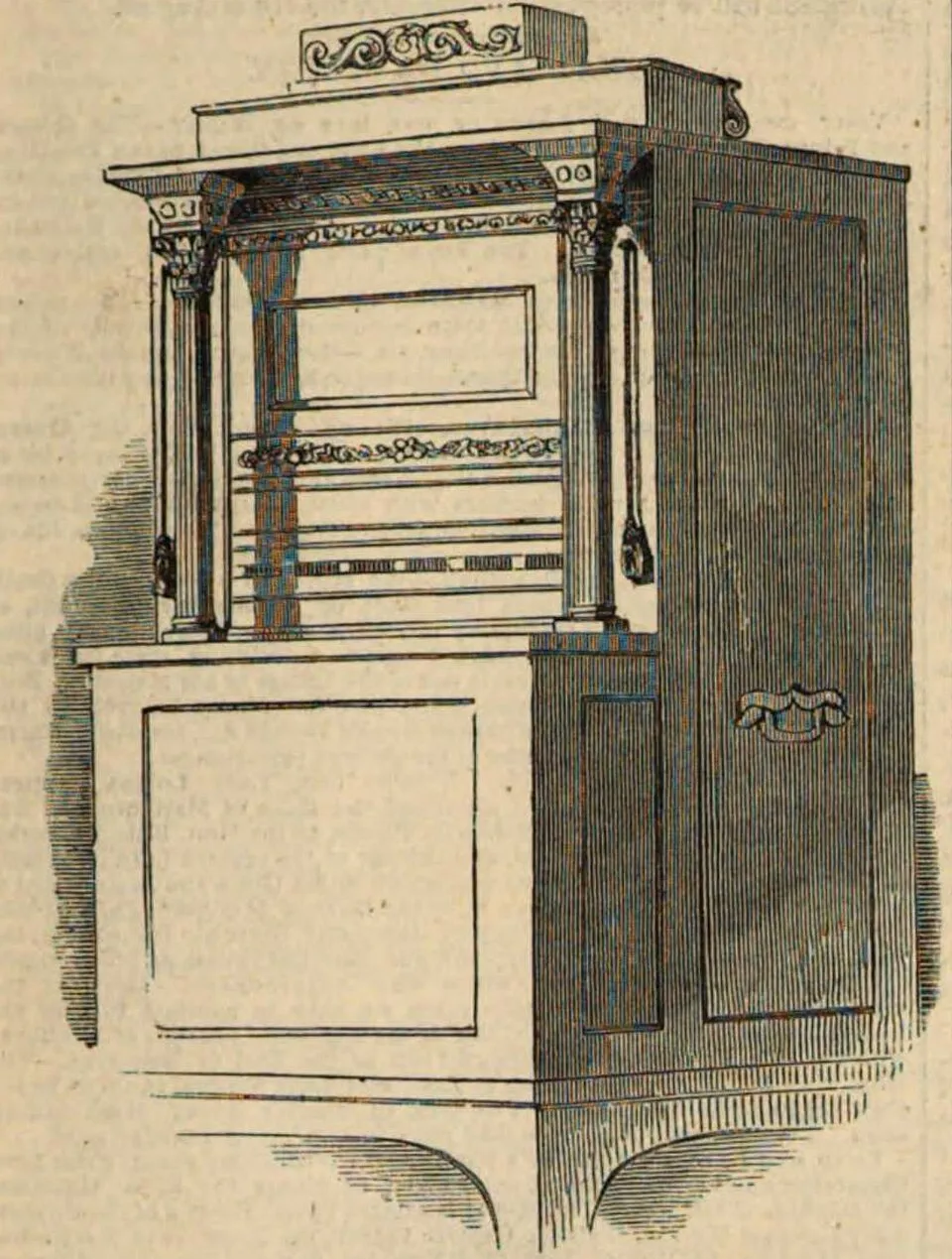
The Eureka Mechanical Language Model from 1845精选导读
The Eureka, also known as the Latin Verse Machine, is a 19th century invention that mechanically generated Latin hexameter. It was built from 1830 to 1845 by a grocer and printing shop worker named John Clark, who then …