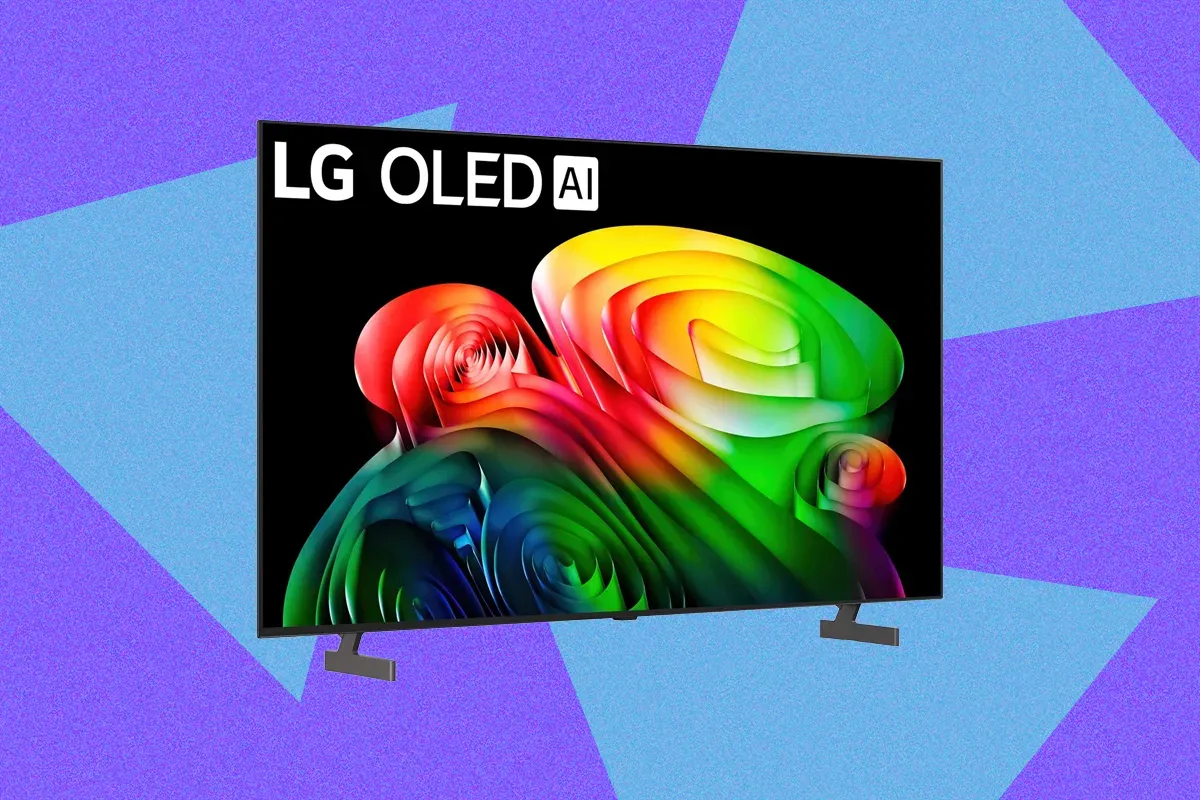
LG B6 OLED TV Review (2026)
The LG B6 has deep and rich blacks and a low price tag, but midrange performance elsewhere.
以下正文同步自 Wired,版权归原站所有,已转换为易读排版。
WIRED
Low price for an OLED. Deep and rich blacks. Easy setup and install. Great refresh rate for video games. The skintone test was better than average.
TIRED
Did not perform as well as a Micro RGB for brightness and contrast.
It’s amazing what can happen in just one year. The LG B6 is the cheapest LG OLED model around (priced lower than the LG C6 and LG G6), but it also has some stiff competition. New art televisions like the Amazon Ember Artline (which costs under $1,000) use a matte display that renders masterpiece paintings in convincingly realistic glory. RGB televisions like the LG Micro RGB Evo and those from Samsung and Hisense have also burst onto the market, making a convincing argument for choosing an RGB screen over an OLED one.
Last year around this time, we reviewed the LG B5 and ranked it a solid 8/10, but there was less competition. The LG B6 is still a good budget OLED TV, it’s just beset on all sides by better, brighter options, including from LG’s own LG C6.
The B6 comes with two legs that are easy to install (two screws each), though I generally prefer a single pedestal stand design. The 65-inch model I tested fit comfortably on two 38-inch IKEA SPIKSMED TV benches set side by side that measure 76 inches long.
Like all LG TVs, setup involves LG’s own WebOS interface or ThinQ app, not built-in Google TV or Fire TV. It was easy to complete the setup using the LG ThinQ app on my iPhone—in minutes, I was loading my usual assortment of apps like Prime Video, Disney+ and Apple TV+.
The B6 is packed with features too. A few of my favorites include a gaming mode that helps improve low latency gaming, AI picture enhancements that actually work and make a discernible difference, an artwork mode called LG Gallery+ that costs $5 per month, and an LG music app in case you don’t like Spotify or other music apps. It also has settings for audio dialogue sync, similar to what you can do with powered speakers like the Klipsch The Fives II. A desktop mode means you can mirror your laptop screen and even run a Gmail app.
Based on the pricing, it’s obvious LG has positioned the B6 as the entry-level OLED in their line-up. That became crystal clear once I started testing movies and TV shows.
In the official specs, LG only lists “wide color gamut” and not a percentage for the specific BT.2020 spec, nor a specific brightness rating. This is where the benchmark testing comes in handy, and what I tested right away.
One win for the B6 is blacks and grays, which have great texture and clarity, a surprise given how many midrange televisions make dark, shadowy scenes look washed out. Scenes from Awake and The Creator, very dark movies, were clear and detailed, after tweaking a few picture quality settings (namely changing to Vivid mode).
Color saturation and luminance could be better too, especially compared to RGB TVs I’ve tested recently. The Super Mario Galaxy Movie, with its various blooming effects, wasn’t exactly terrible looking, but certainly not as crisp as on something like the LG Micro RGB Evo. (The less technicolor The End of Oak Street fared better.) During a demo reel benchmark, green grass by a fence in winter looked a bit too brown for my taste (again, color saturation issue), but skin tone variation was surprisingly good.
LG is not the first brand I think of for playing video games (it’s Sony), but the B6 deserves some extra credit here. The 120-Hz refresh rate screen does its job, and made all my movements playing Crimson Desert on PC crisp and responsive. Resident Evil: Requiem looked almost photo realistic, with gleaming statues and surprisingly good color quality, even zooming in on crumpled leaves.
Watching sports and news didn’t yield any surprises—a Baltimore Orioles baseball game looked rich and textured, but not very bright.
LG B6 may be an entry-level OLED, but, like an entry-level BMW, it has a lot of the bells and whistles of a flagship, with plenty of ports, features, and premium finishes. My main issue with it is brightness and contrast, both could be better. And LG’s WebOS is still not my favorite interface in the world.
The main issue might actually be price. At the time of writing, the LG B6 is on sale for $1,300. The superior midrange LG C6 is also on sale for $1,500. That’s only $200 more for a much better, brighter TV (both 65-inches). That’s not even discussing buying an older (but still brighter) model like the LG C5 (which I found on sale for less than the B6). It all depends on how much you want to spend.
正文由 探How 从来源站点 RSS 同步,内容未经改写;遇到排版缺失或需要图片、视频时请以原文为准。