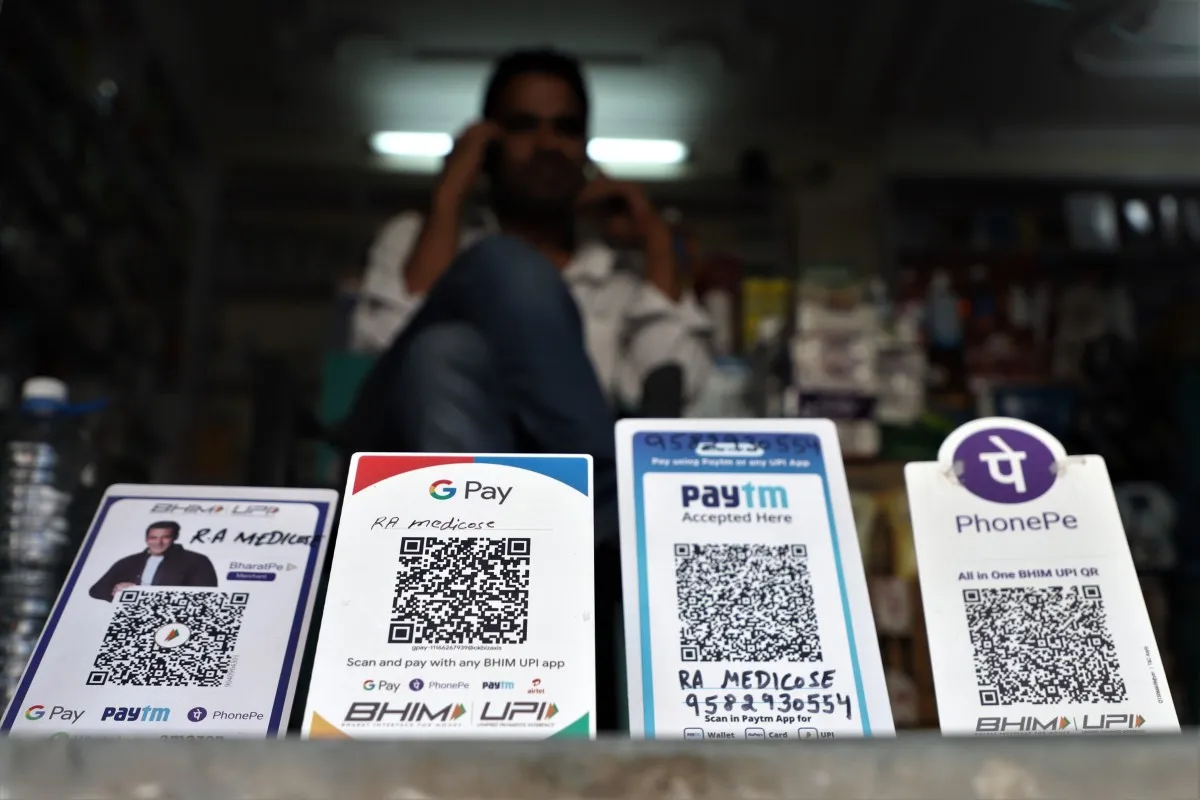
India delays digital payments fee rollout amid retailer pushback
The NPCI, which operates the UPI network, said it was postponing the planned October 15 rollout of the 0.4% fee due to the festive shopping season.
以下正文同步自 TechCrunch,版权归原站所有,已转换为易读排版。
Following broad pushback from merchants across the country, India has delayed plans to introduce merchant fees on its digital payments network that aimed to make the business more lucrative for the companies that facilitate the payments service, long dominated by Google and PhonePe.
The National Payments Corporation of India (NPCI), which operates the country’s Unified Payments Interface (UPI), said on Tuesday it was postponing the planned October 15 rollout of a 0.4% fee on eligible merchant transactions exceeding ₹2,000 (about $21), citing the festive shopping season. The fee, announced last month, would mark a significant departure from India’s years-long policy of keeping UPI payments free for merchants.
The rollout will now take place after Diwali, one of India’s biggest festivals and shopping periods, though the NPCI did not specify a new date. In September alone, UPI processed 24.07 billion transactions worth ₹29.37 trillion (about $305 billion), per NPCI.
The proposed fee drew opposition from retailers and petrol pump operators, some of whom warned they could stop accepting UPI payments if the charge took effect.
Over the past several years, UPI has become the backbone of India’s digital payments system, powering payments through apps such as Google Pay, PhonePe, and Paytm. Its growth has been supported by the Indian government keeping UPI payments free for merchants and providing subsidies to banks and payment providers to help them cover some of the costs.
UPI was not always free for merchants, however. Banks and payment providers previously charged merchants for transactions, but the Indian government scrapped those fees in January 2020 as it sought to encourage more people to shift away from using cash, long the dominant way people have paid for goods and services in the country. UPI has continued to grow in both transaction volume and value.
In recent years, the government has sought to take UPI overseas. In April 2020, NPCI set up its international arm, and the network is currently available in several countries, including Singapore, the United Arab Emirates, and France.
NPCI had sought to limit the impact of the new merchant fee by exempting payments of ₹2,000 or less, as well as small merchants that receive less than ₹100,000 (about $1,033) a month through UPI. It also capped the fee at ₹300 (around $3) for larger transactions. The organization said it would share the money collected among participants in the UPI ecosystem to help pay for infrastructure, cybersecurity and fraud prevention.
Citing industry estimates, NPCI said last month that the annual cost of running UPI was about ₹200 billion (around $2.1 billion), including spending on server capacity, fraud prevention, and technical support. Banks and payment companies have for years argued that they need a way to recoup those costs as transaction volumes grow.
When you purchase through links in our articles, we may earn a small commission. This doesn’t affect our editorial independence.
Jagmeet covers startups, tech policy-related updates, and all other major tech-centric developments from India for TechCrunch. He previously worked as a principal correspondent at NDTV.
You can contact or verify outreach from Jagmeet by emailing [email protected].
View Bio
October 13 – 15
San Francisco
Get 50% off a second pass
The Disrupt experience is meant to be shared. Get your pass and bring a colleague, partner, or peer at 50% off. Cover more ground by making connections, building momentum, and discovering what’s next in the startup ecosystem.
Elon Musk intensifies attack on Ambani over Starlink India launch delay
Jagmeet Singh
Batteries are now cheaper than natural gas turbines used at many data centers
Tim De Chant
Remember Orkut? Its founder wants to bring it back
Jagmeet Singh
US bars Microsoft, Adobe, and major IT firms from green card program for skilled foreign workers
Aisha Malik
Elon Musk questions Ambani’s influence as Starlink India launch stalls
Jagmeet Singh
Cal AI’s 19-year-old founder just raised $10M for his new AI startup
Julie Bort
Google releases a new local-first Granola competitor
Ivan Mehta
正文由 探How 从来源站点 RSS 同步,内容未经改写;遇到排版缺失或需要图片、视频时请以原文为准。